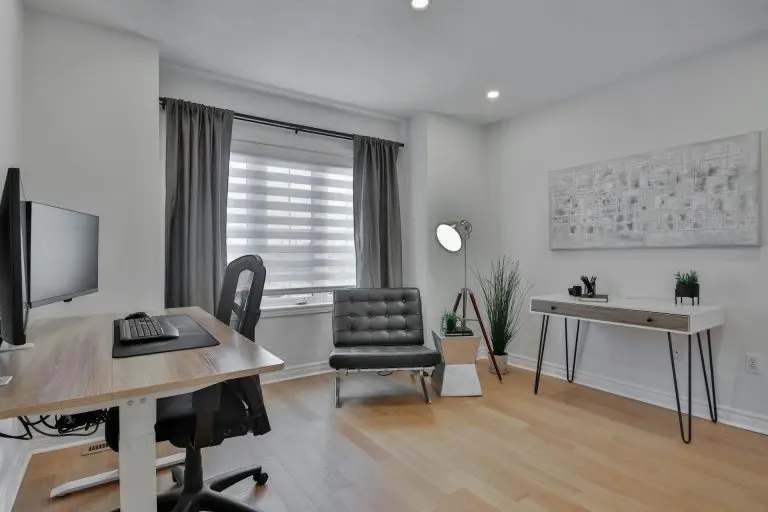
A student study room is more than a desk, a chair, and a laptop. It is a little “learning machine” in the house. When constructed effectively, it enables pupils to concentrate, recall more, and feel less fatigued. Badly designed, it can turn even a basic school assignment into a fight.
A lovely study space should not only be photogenic. It should also be good for everyday use. This is where data and statistics come in. Instead of guessing what makes a room better for studying, we can employ research on light, color, noise, ergonomics, and organization to design a setting that feeds the brain.
1. Start with the Numbers: Why Study Space Design Matters
Students spend many hours reading, writing, observing lessons, and preparing for tests. That means the physical environment really matters in learning. Environmental psychology research has shown that lighting, temperature, noise, and seat comfort can influence attention and performance.
Think of the study space as a phone battery. If the student’s environment is all tense, the “battery” runs down fast. A bad chair messes up your back. In poor light, the eyes get fatigued. Too much stuff takes away focus. But careful planning of the room saves the student energy for the work itself.
When students collect numbers for their room, they also practice the same logic used in class tasks. They choose variables, compare results, and show patterns in a clear table. A small design project can turn into a real data exercise. Students may measure light levels at different hours. They can record noise changes or compare how long they stay focused in each setup. During this process, a student can use help with statistics assignment using Excel to organize formulas, tables, and charts for a clearer learning path. The numbers can reveal small details that feelings alone may miss. For example, one desk position may look nice but feel tiring after one hour. Another place may seem ordinary yet support longer focus. The main idea is simple. The study space should not be based only on taste. It should also be shaped by numbers that show what works best for the person using it every day.
This isn’t about making a fancy office. The goal is to develop a functional, comfortable, and exciting student study place based on data-driven decisions. Every design decision has a reason behind it, and a little section of a bedroom might become a beneficial learning zone.
2. Use Lighting Data to Improve Focus
Lighting is one of the most vital aspects of study room design. General guidelines for workplace lighting suggest that task areas need more light than general living rooms. Many design and ergonomics guides recommend a light level of between 300 and 500 lux on the work area for reading and writing.
Simply put, a dimly lit room may seem comforting, but it is not necessarily the best place to study. Low light means the eyes are working harder. Too much light, or light in the wrong area, can cause glare on screens and paper.
Natural light is particularly important. A workstation by a window can make the study environment feel expansive and fresh. However, the glare of direct sunlight on a laptop screen can be distracting. Best answer? Strike a compromise. Place the workstation near natural light, but use curtains, blinds, or sheer panels to limit glare.
You need a nice desk lamp for your nightly study sessions. Pick a lamp that can be adjusted so the learner can focus light right where it’s needed. A warm white bulb could seem cozy, whereas a neutral white bulb can help keep you awake. In the modern hackrea-style interior, the lamp can also be a design feature, bringing shape, texture, and personality to the room.
Best Lighting Setup for a Student Desk
A three-layer system, including natural light, ambient room lighting, and task lighting, is a good configuration. The layering allows for flexibility in the space. The student can use gentle lighting for reading, stronger light for writing, and controlled light for working with a screen.
A good idea is to set the lamp on the opposite side of the hand that writes. The lamp should be placed on the left side for a right-handed pupil. This decreases the shadows on the paper, which makes it easier to study.
3. Choose Colors That Support Calm and Concentration
Color is not simply for ornament. It transforms the vibe of the room. While color psychology is not an exact science, numerous studies and observations in design indicate that soft, balanced colors can help provide a more serene workplace.
Less is often more when it comes to a student study space color palette. Soft neutrals, soft whites, muted greens, dusty blues, and light beige tones are good, as they don’t compete for attention. These colors give a tranquil background, like a calm sky behind a bustling mind.
Bright colors can still be useful, but they should be used with caution. A bold yellow chair, a blue pinboard, or a terracotta shelf can add life to the area without overwhelming it. Contrast is the key. Too many vivid colors might make the study nook feel boisterous even when the room is quiet.
Modern interiors generally emphasize harmony. The student zone should blend with the rest of the home. It can be made to fit in with the room in terms of materials, colors, and clean lines instead of looking like a strange classroom area.
4. Design the Desk and Chair Around Ergonomic Statistics
Beautiful study spaces don’t help if they’re uncomfortable. Ergonomics comes before decoration. A lot of ergonomics advice is to have your feet flat on the floor, knees at something close to 90 degrees, and your screen close to eye level.
The desk should be big enough to fit a laptop or monitor, notebooks, and any needed equipment. A too-small desk is visually stressful. A desk that’s too big is a clutter magnet. For most students, a width of roughly 100 to 120 cm is possible, especially in bedrooms or tiny apartments.
The chair is even more important. A decent student chair should support the lower back and allow the student to sit up straight, yet not feel rigid. If your chair is too high, utilize a footrest. If the laptop is too low, utilize a stand and an additional keyboard when possible. Small things can make a big difference.
Ergonomic Measurements to Keep in Mind
The screen should be at arm’s length from the eyes. The top of the screen should be at eye level or a little below. Keep your wrists loose and your elbows close to your torso when you type.
These nuances may sound complex, but these are simple design standards. They turn the study area from a lovely corner into a healthy everyday workspace. After all, a student’s desk is not a display piece. It’s a tool.
5. Control Noise, Clutter, and Storage with Smart Design
Noise is one of the biggest adversaries of focus. Some students are able to work through soft background noise, but abrupt noises like conversations or the television can easily interrupt their concentration. Design can help limit distractions when the study location is in a shared room.
Soft materials absorb sound better than hard surfaces. Rugs, drapes, cushioned chairs, wall panels, and fabric pinboards might help to make the study environment quieter. Bookshelves can also act as gentle separators in an open environment. They establish a visual border and help the student feel “inside” the study zone.
Another concern is clutter. Studies of attention typically imply that visual chaos competes with whatever job is in front of us. That does not mean the desk has to be vacant. It indicates that everything has a place.
Use drawers, wall shelves, boxes, and organizers to store materials handy but out of sight. Use a pegboard above the desk in tiny rooms because it uses space vertically. Floating shelves may hold books without cluttering the floor. A closed cabinet keeps the area looking peaceful and hides the less attractive stuff.
Opt for storage that complements the room’s decor for a fashionable environment. Storage can have a deliberate vibe using natural wood, matte metal, woven baskets, or soft-colored boxes. This is where beauty meets utility.
Conclusion: The Perfect Study Space Is Designed, Not Decorated
It’s not about getting the coolest desk or duplicating a snapshot off the web to create the ultimate student study place. It is built to understand how children really learn, sit, read, write, and focus. Data and statistics go first. They educate us on why light levels are important, why ergonomics protects the body, why clutter affects attention, and why color may transform the ambiance of a room.
The perfect study place is functional and appealing. It combines interior design with real-life needs. It’s a place where studying comes naturally with clever lighting, calming colors, comfy furniture, and tidy storage.
A study space for students is like good architecture in miniature. Everything has a purpose. Every item should support the user. When design and data join forces, even a small corner may be a strong area for focus, growth, and success.