Two Sofas in Living Room: 2026 Layout Guide & Design Ideas
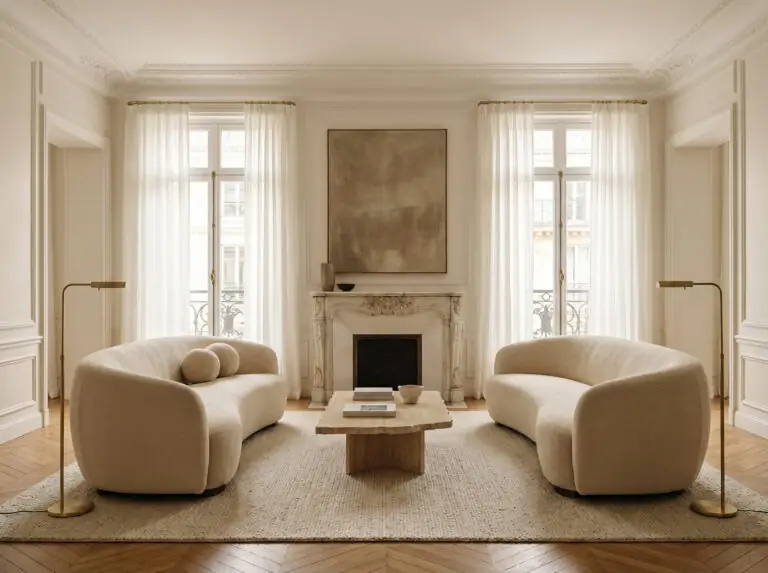
For decades, the standard living room recipe was predictable: one sofa, one loveseat, and maybe an armchair if you were feeling adventurous. But as we move deeper into 2026, that rigid formula is officially retiring. The new standard for sophisticated, social, and functional living spaces? The two-sofa layout.
Whether you are embracing the “Quiet Luxury” movement with warm earthy tones or trying to maximize seating in a tricky open-concept floor plan, using two full-sized sofas is a game-changer. It elevates the room from a simple TV-watching spot to a high-end social lounge.
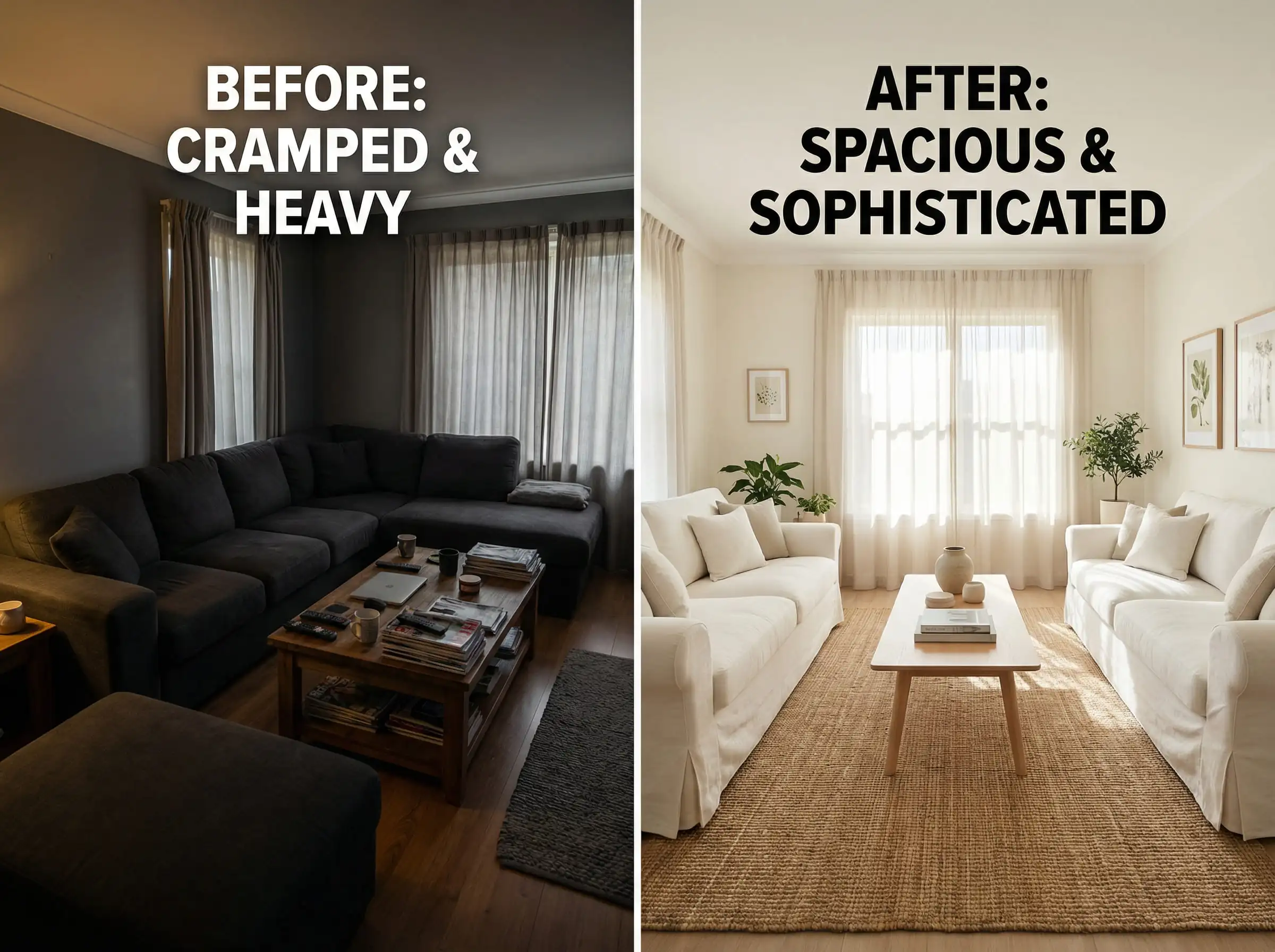
But double the furniture can mean double the trouble if you don’t get the spacing right. Does it look crowded? Can people walk through? Do the sofas have to match?
In this ultimate guide, we’re breaking down the exact measurements, the four essential layouts, and the “cousins, not twins” styling rules you need to master this look.
Why Ditch the Sectional for Two Sofas?
Before we start dragging furniture across the floor, let’s look at why top interior designers are favoring this setup over the massive L-shaped sectional.
1. The Social “Power Circle”
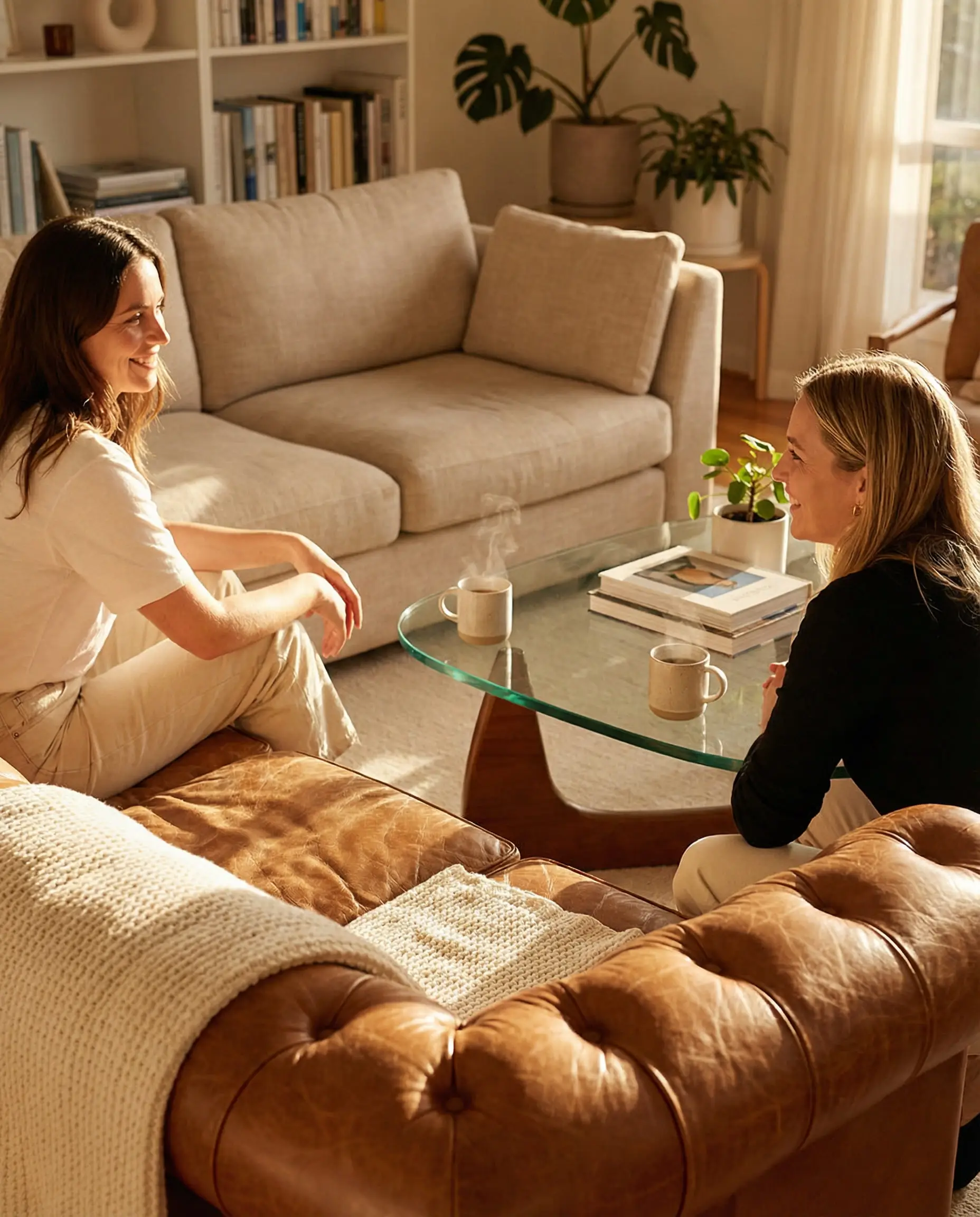
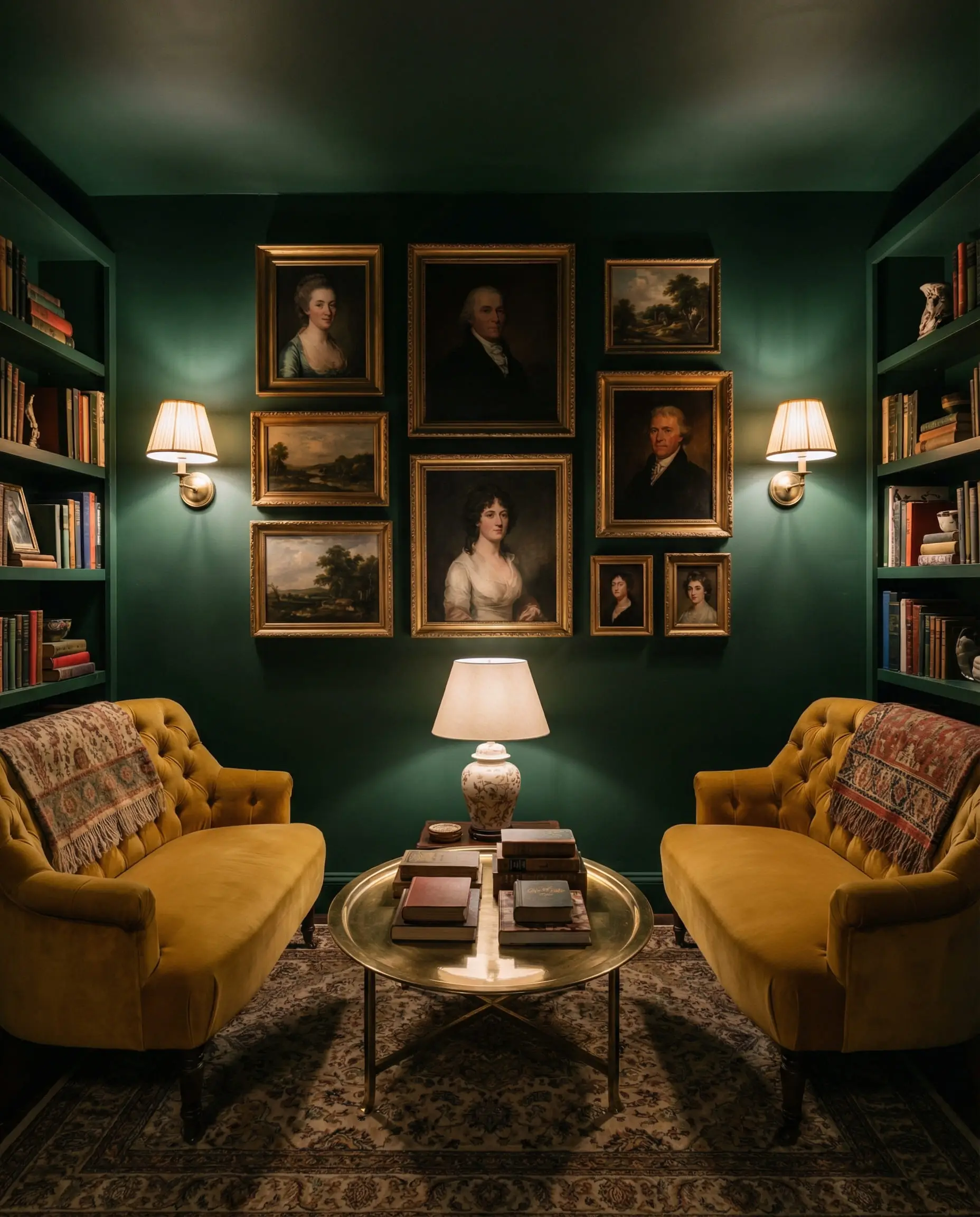
Sectionals are great for napping, but they can be awkward for conversation. When everyone is seated in a line or a tight L-shape, you end up craning your neck to talk to the person on the far end. Two sofas facing each other create an immediate social circle. It mimics the intimacy of a dinner table, encouraging eye contact and better conversation flow.
2. Future-Proof Flexibility
A sectional is often “handed” (the chaise is on the left or right). If you move to a new house where the door is on the other side, your expensive sofa might become useless. Two standalone sofas are incredibly versatile. You can split them up into different rooms later, or arrange them in entirely new configurations as your needs change.
3. Visual Symmetry and Balance
In the world of design psychology, symmetry creates a sense of calm and order. Flanking a fireplace or a large window with identical (or complementary) sofas instantly makes a room feel “finished” and architecturally sound.
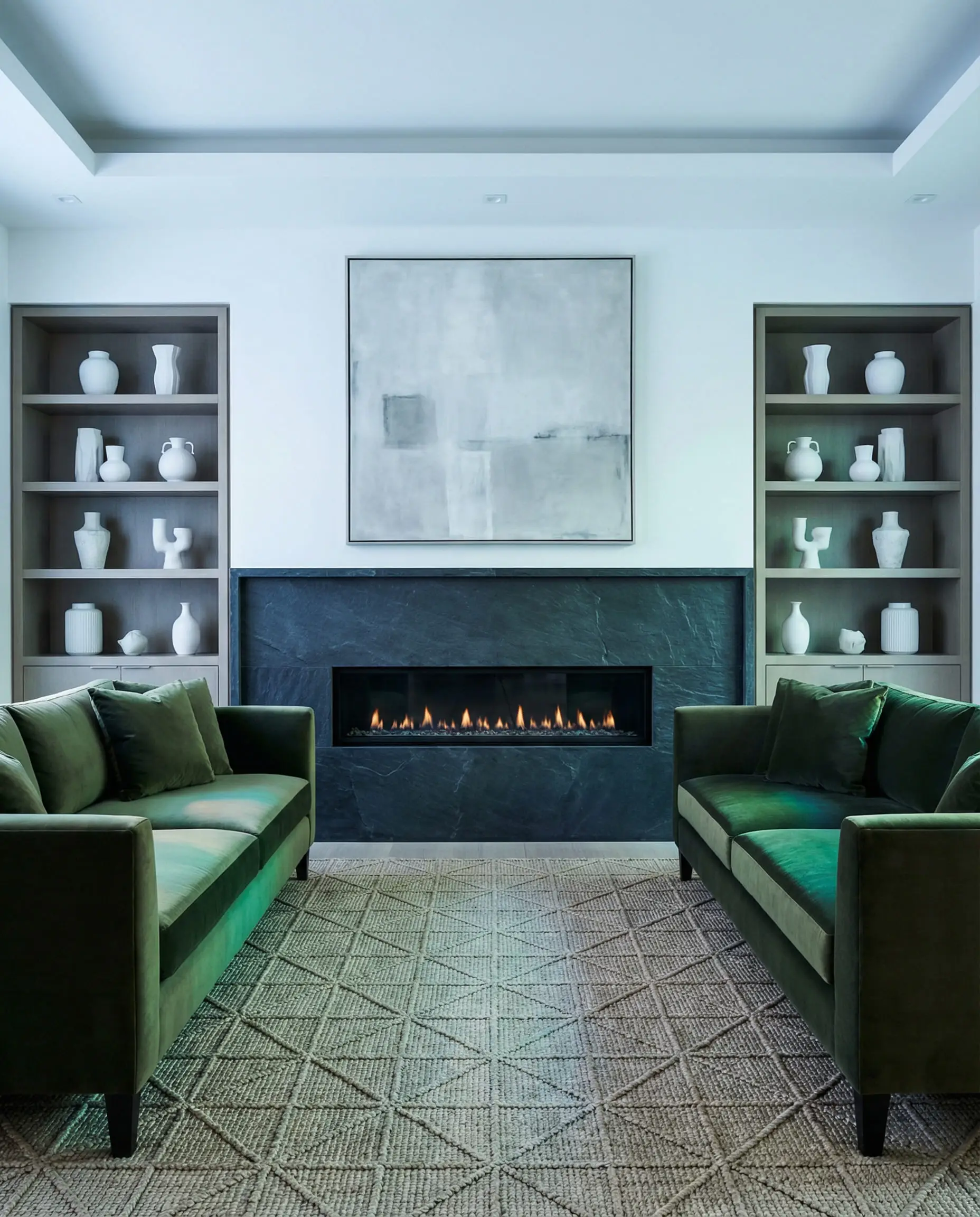
If you have a large open-plan space (like a living-dining combo), two sofas act as “walls.” They define the living zone without blocking the line of sight, preserving that airy, open feel while adding necessary structure.
Hackrea Tip 💡
The 4 Essential Layouts: Measurements & Diagrams
Getting the layout right is 90% of the battle. Here are the four standard arrangements for two sofas, including the specific dimensions you need to maintain flow.
1. The Face-Off (Parallel Layout)
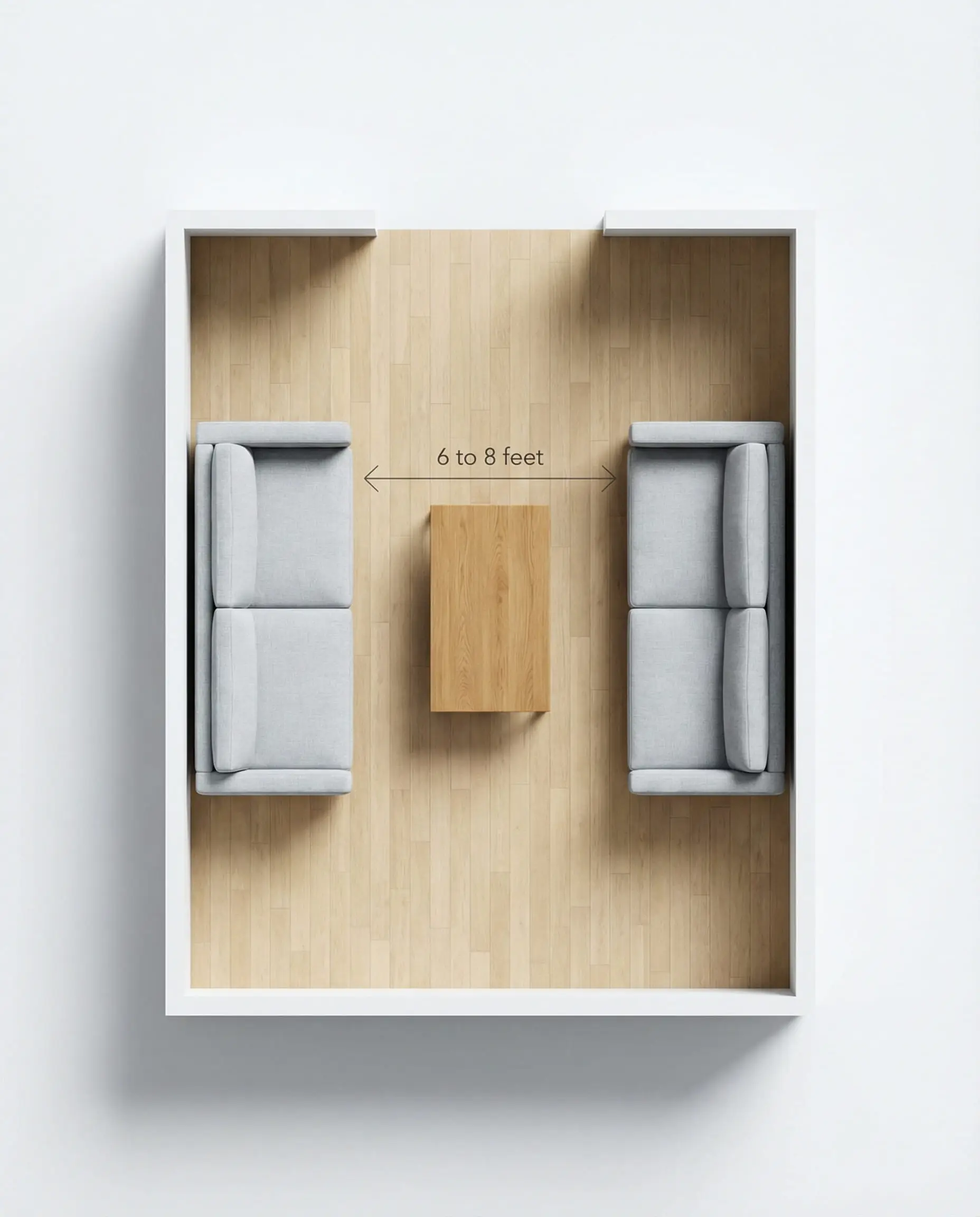
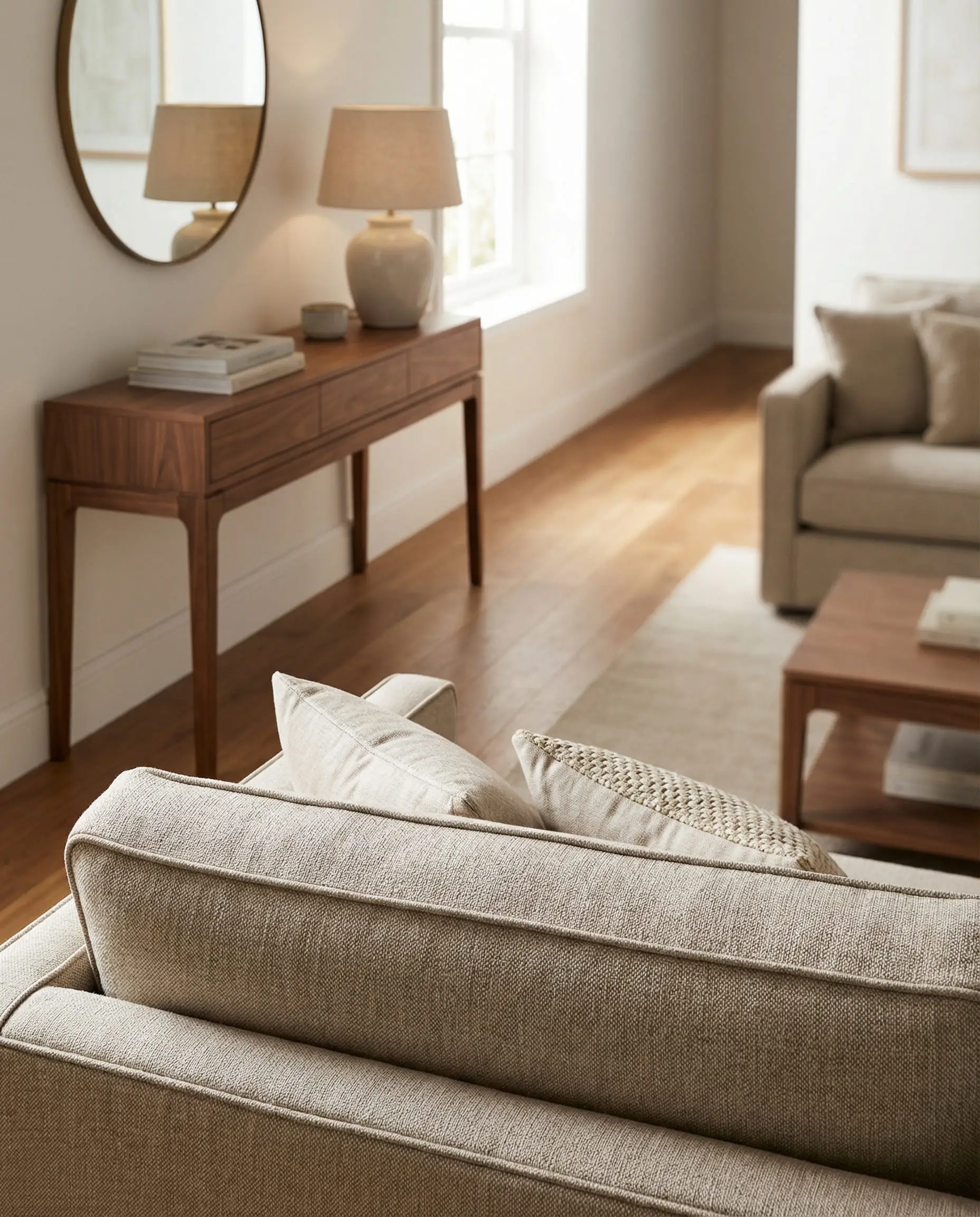
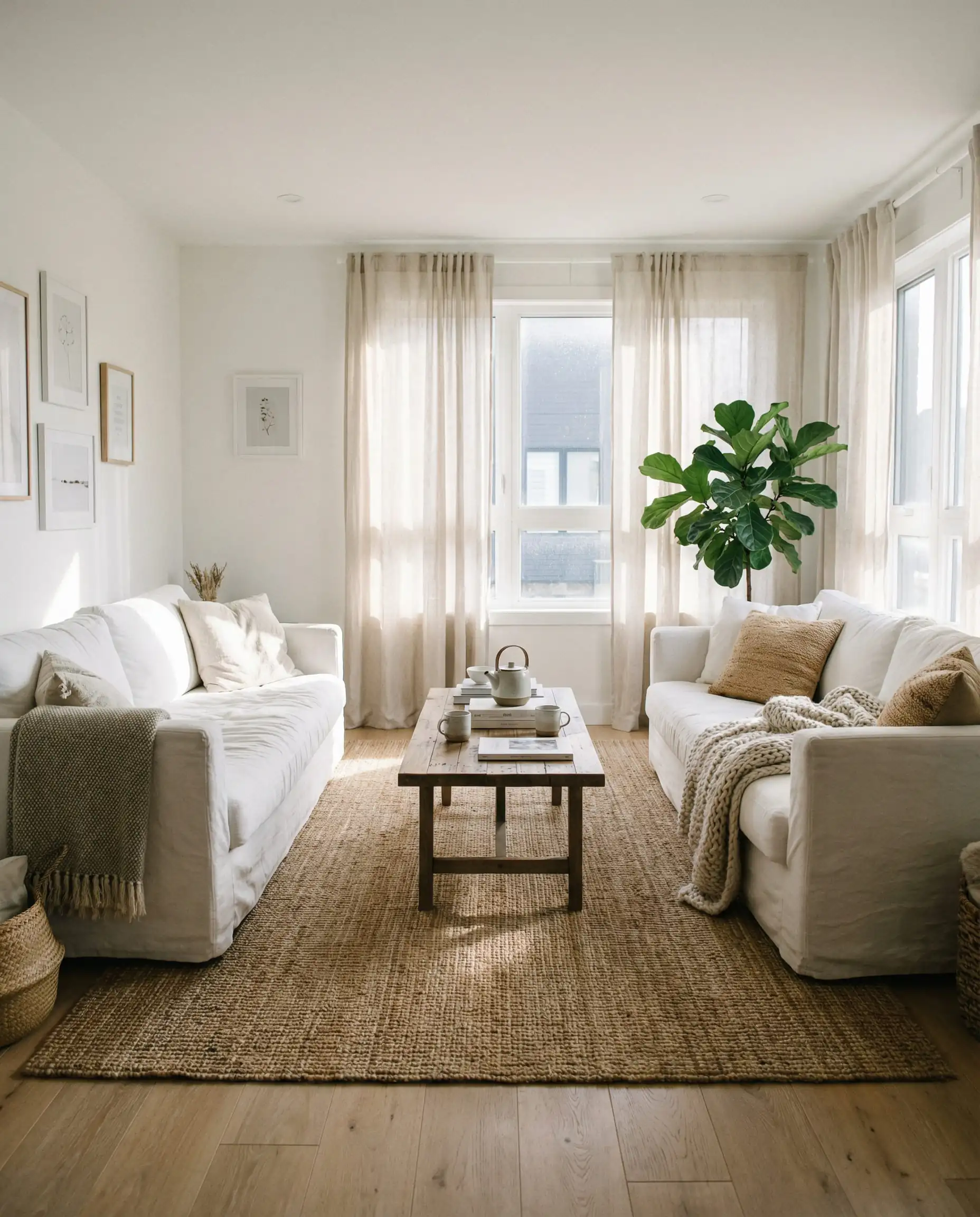
This is the most formal and symmetrical layout. It involves placing two sofas directly opposite each other, usually with a coffee table in between.
Pros:
Cons:

2. The L-Shape Configuration
This layout mimics a sectional but with more “breathing room.” You place the two sofas perpendicular to each other to form a right angle.
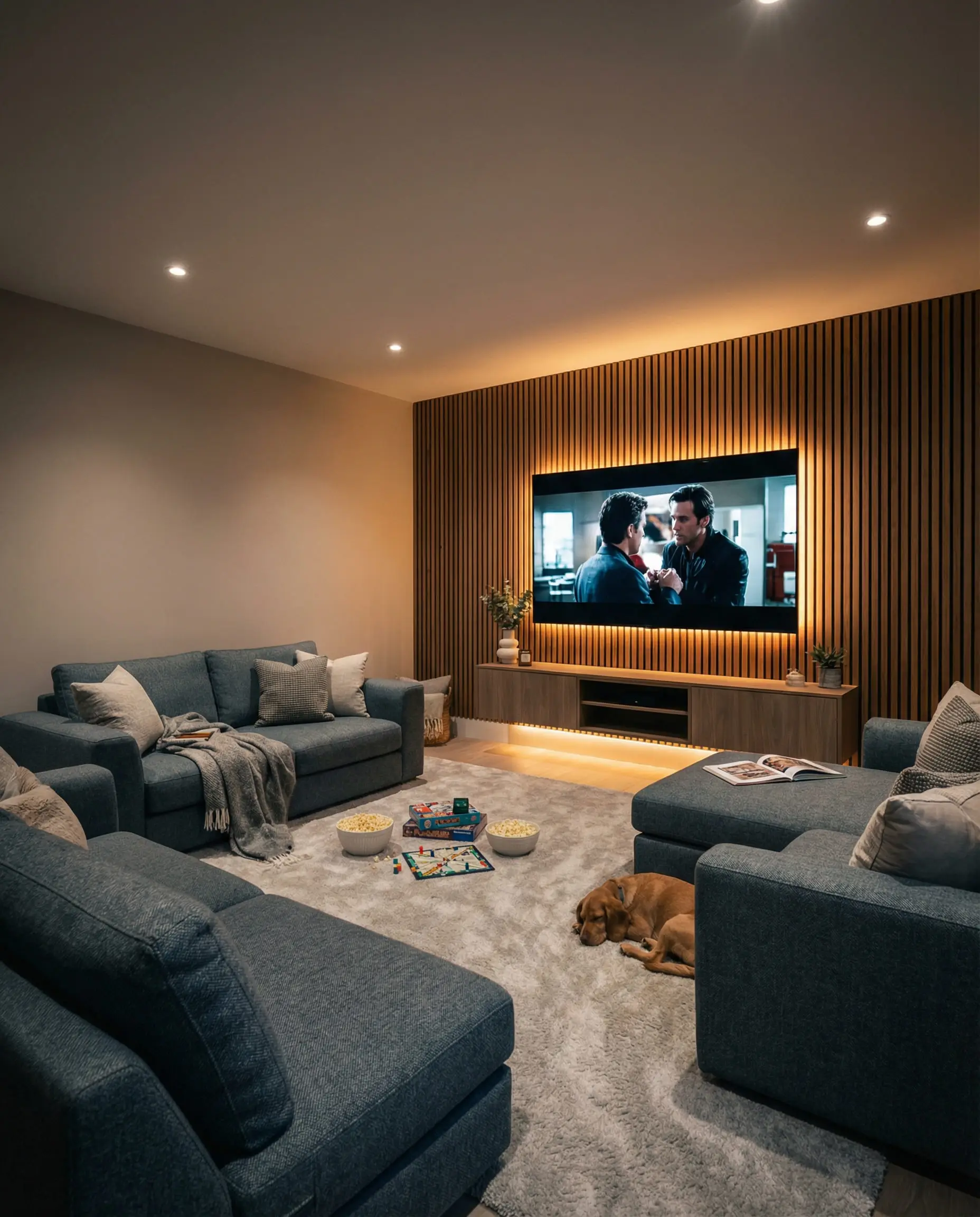
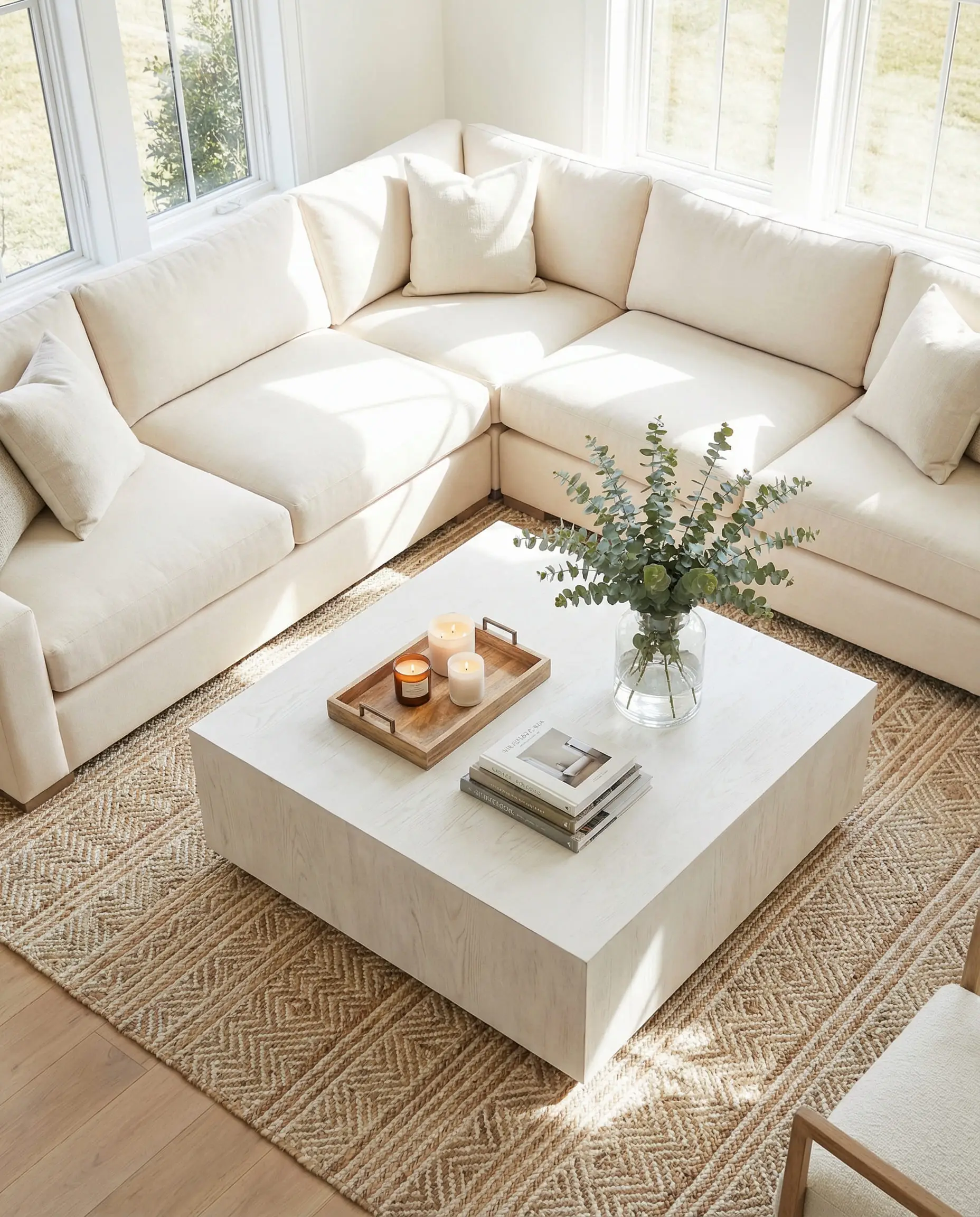
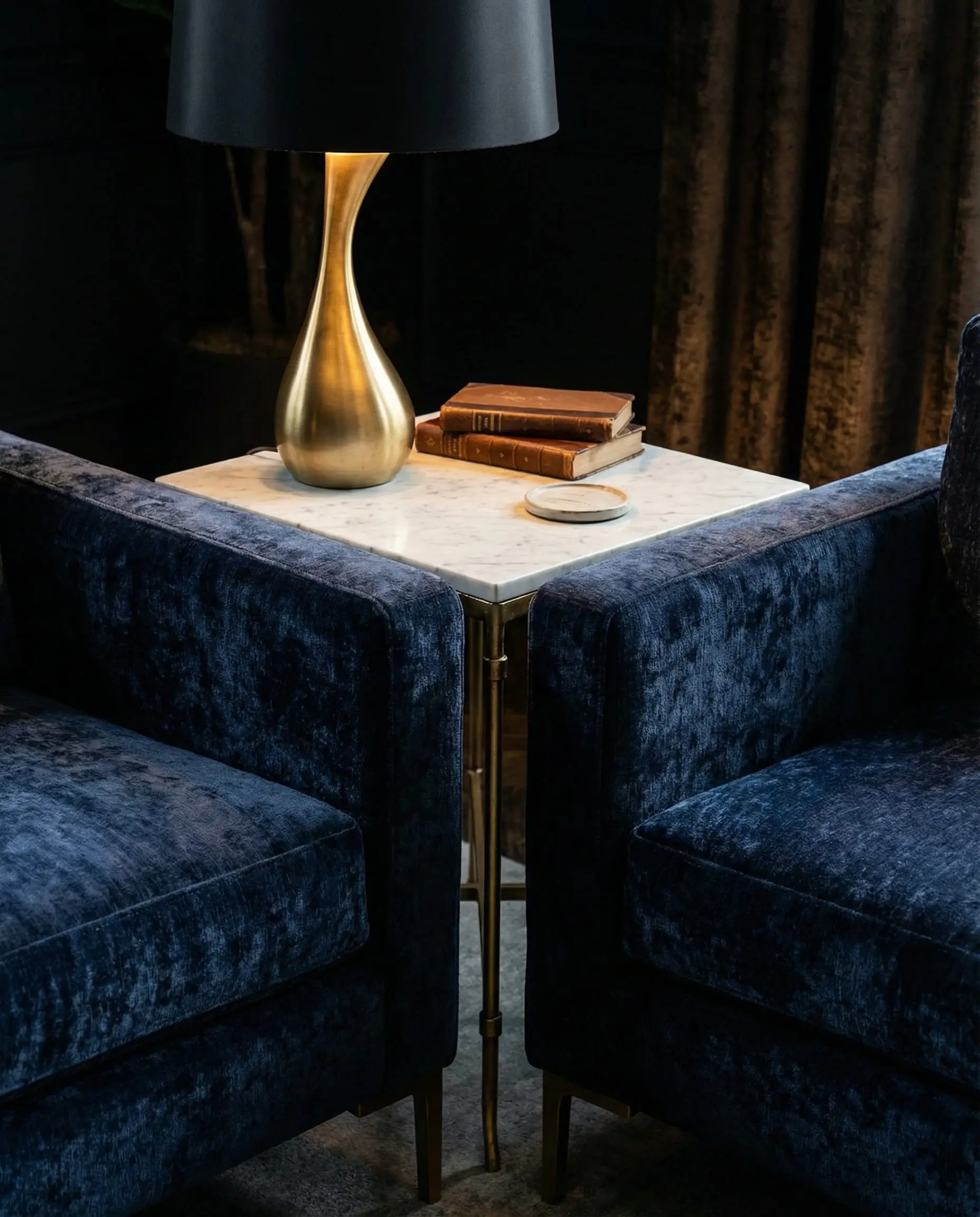
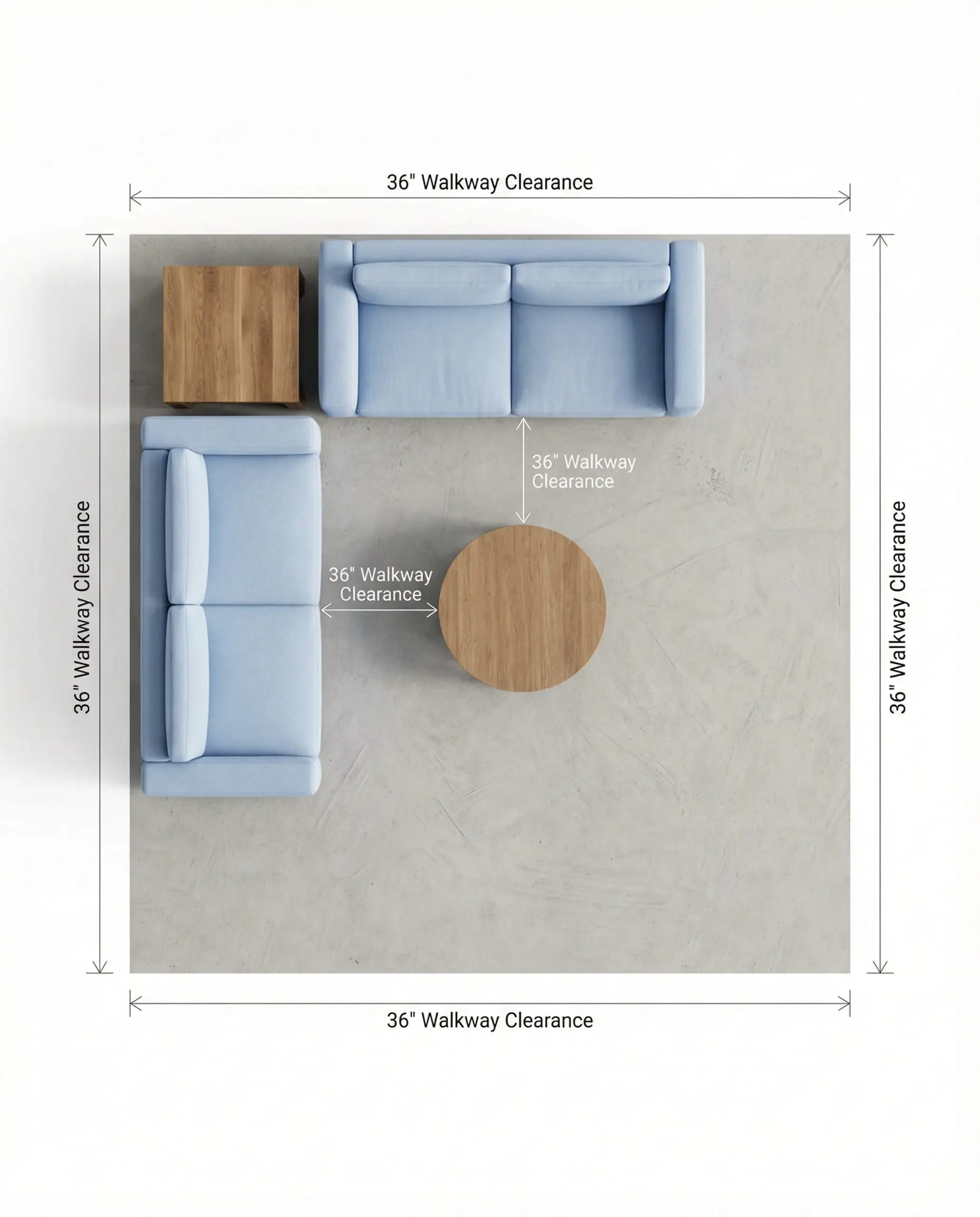
In an L-shape layout, avoid using two massive, rolled-arm sofas (like Chesterfields), as they can look bulky in the corner. Opt for cleaner lines or track arms to keep the corner from feeling congested. For more on modern furniture shapes, check our guide on Living Room Trends.
Hackrea Tip 💡
3. The “Floating” Zone
In 2026, we are no longer pushing furniture against the walls. “Floating” means pulling both sofas into the center of the room. This is essential for modern open-concept homes where you don’t have walls to rely on.

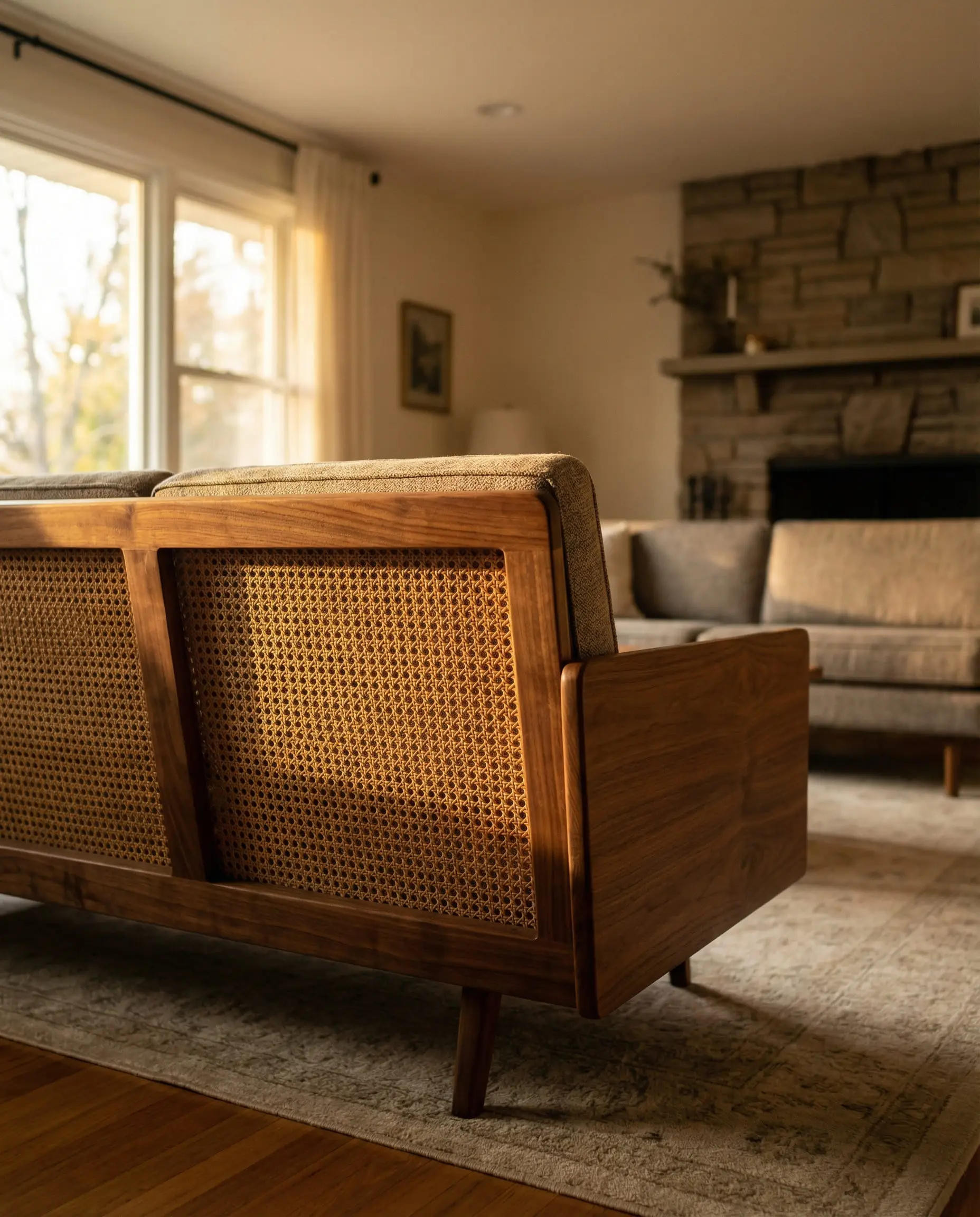
4. Back-to-Back (The Divider)
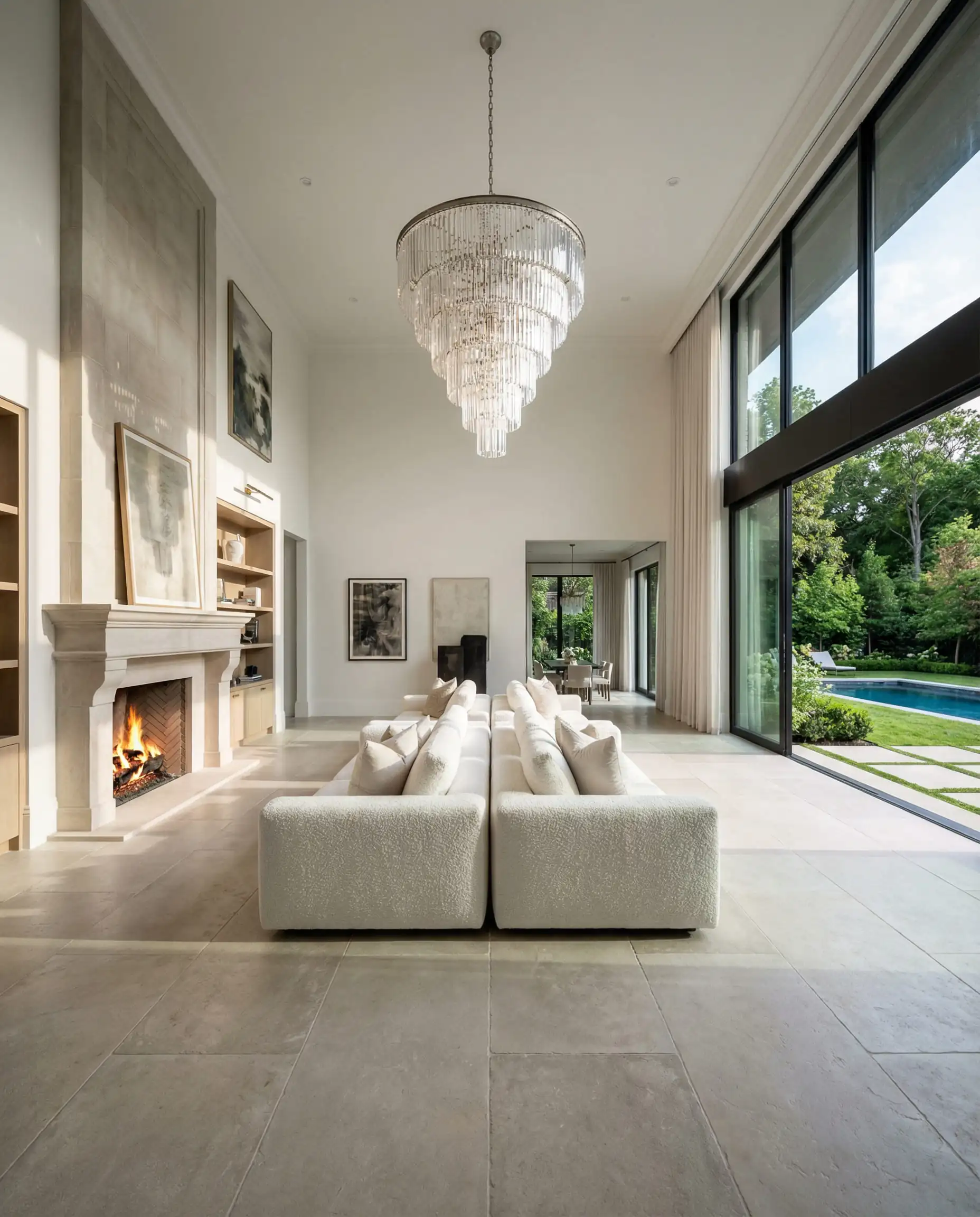
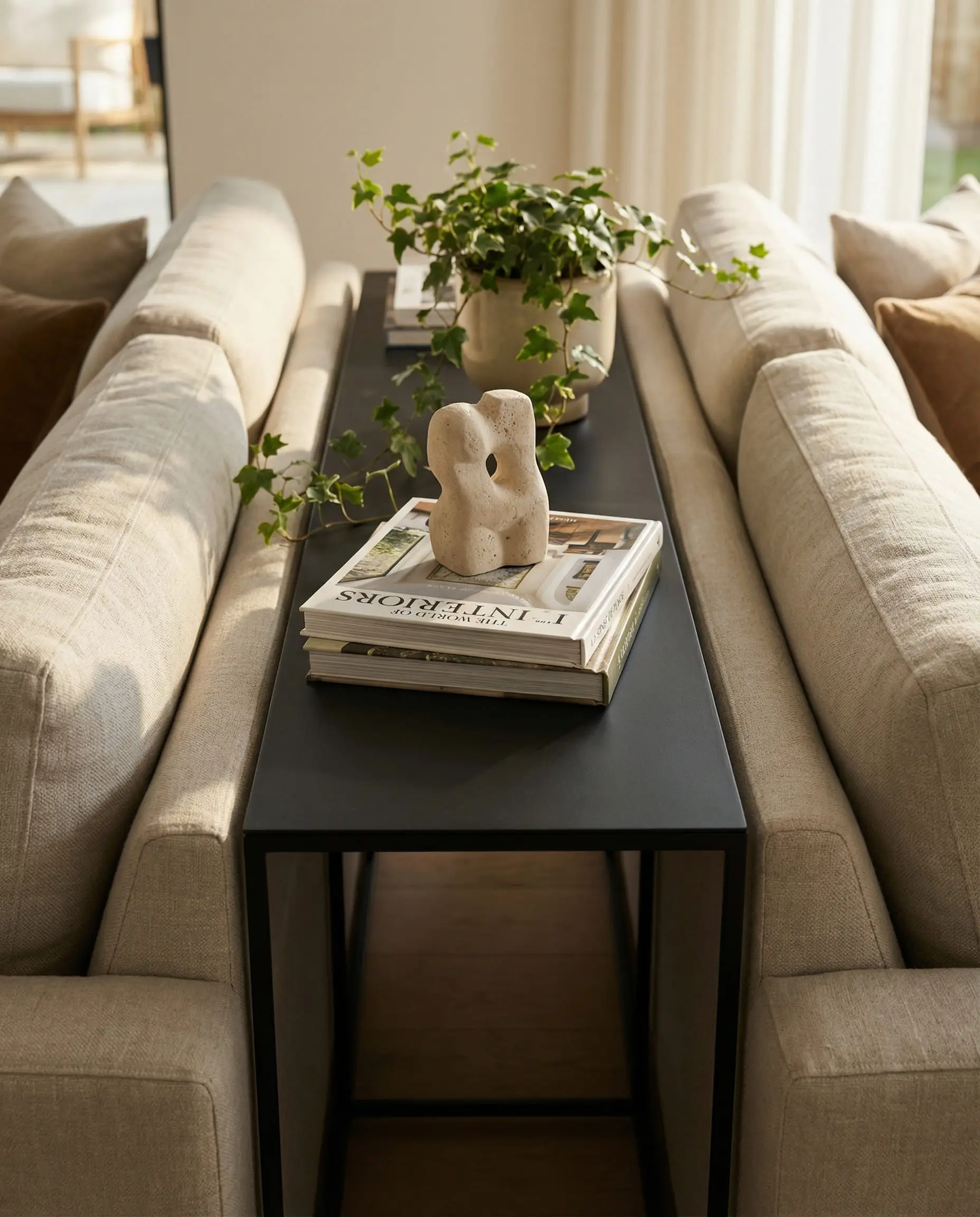
This is a bold, high-design move often seen in hotel lobbies, but it works brilliantly in very large residential rooms. You place two sofas back-to-back in the center of the room, facing opposite directions.
Mixing & Matching: The “Cousins, Not Twins” Rule
Should your sofas match? In 2026, the answer is: they don’t have to.
While buying a matching pair is safe and classic, the current trend is “Curated Eclecticism.” We want the room to look collected, not like a showroom catalog. Here is how to mix two different sofas without it looking chaotic.
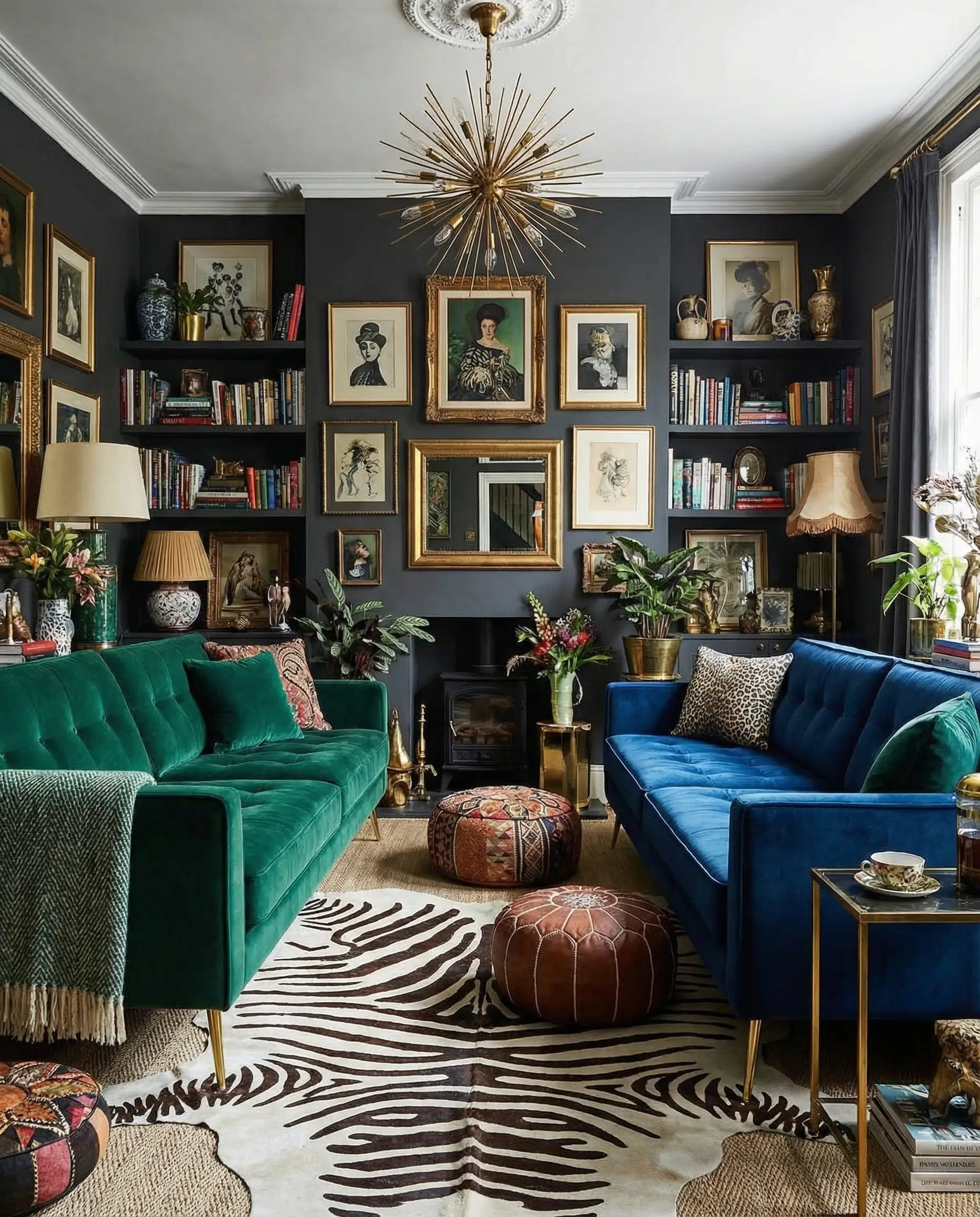
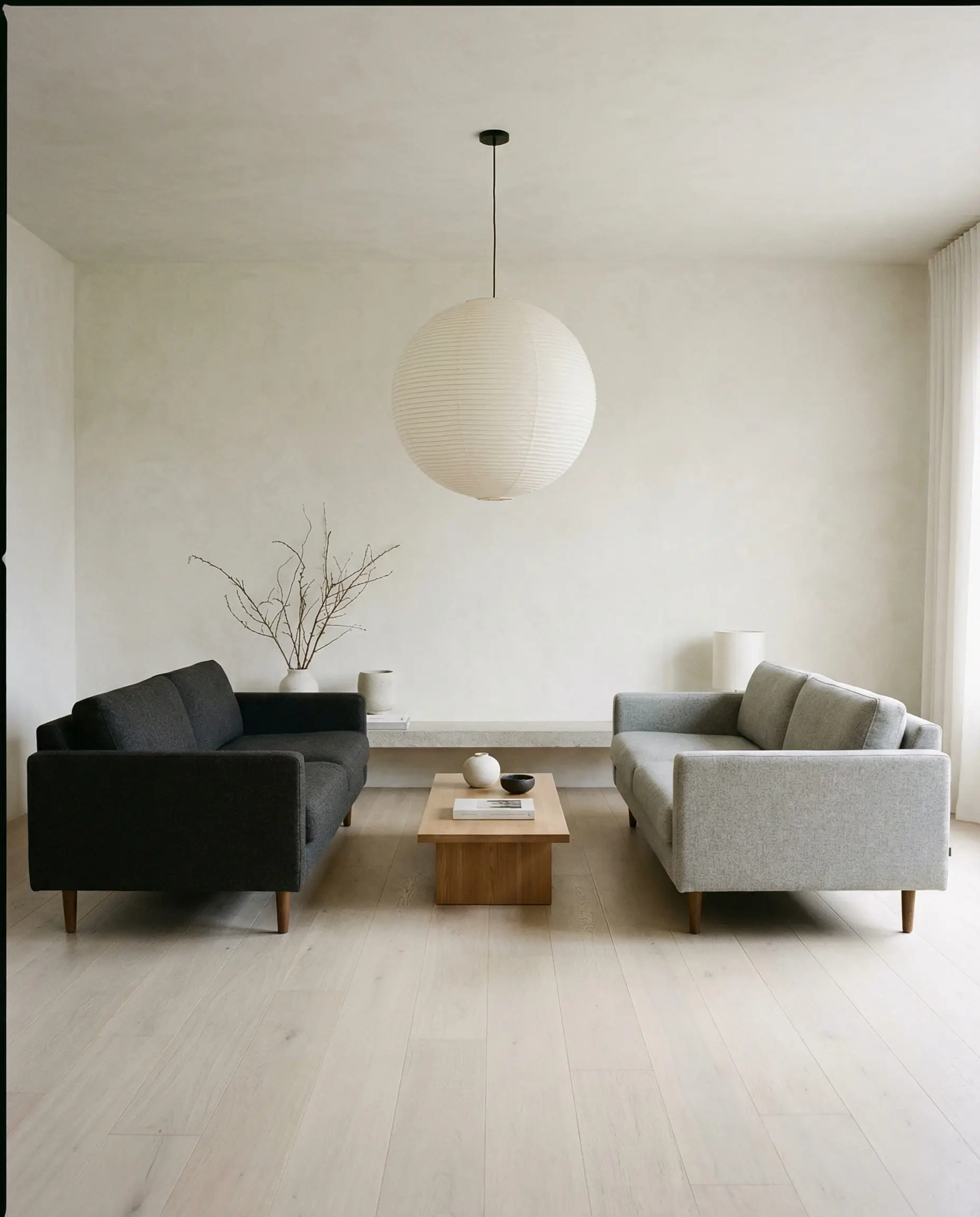
Strategy A: Same Shape, Different Color
This is the easiest way to mix. Buy the exact same sofa model, but order them in two different fabrics.
Strategy B: Same Color, Different Shape
This is for the advanced designer. You keep the color palette monochrome (e.g., both cream), but vary the silhouette and texture.

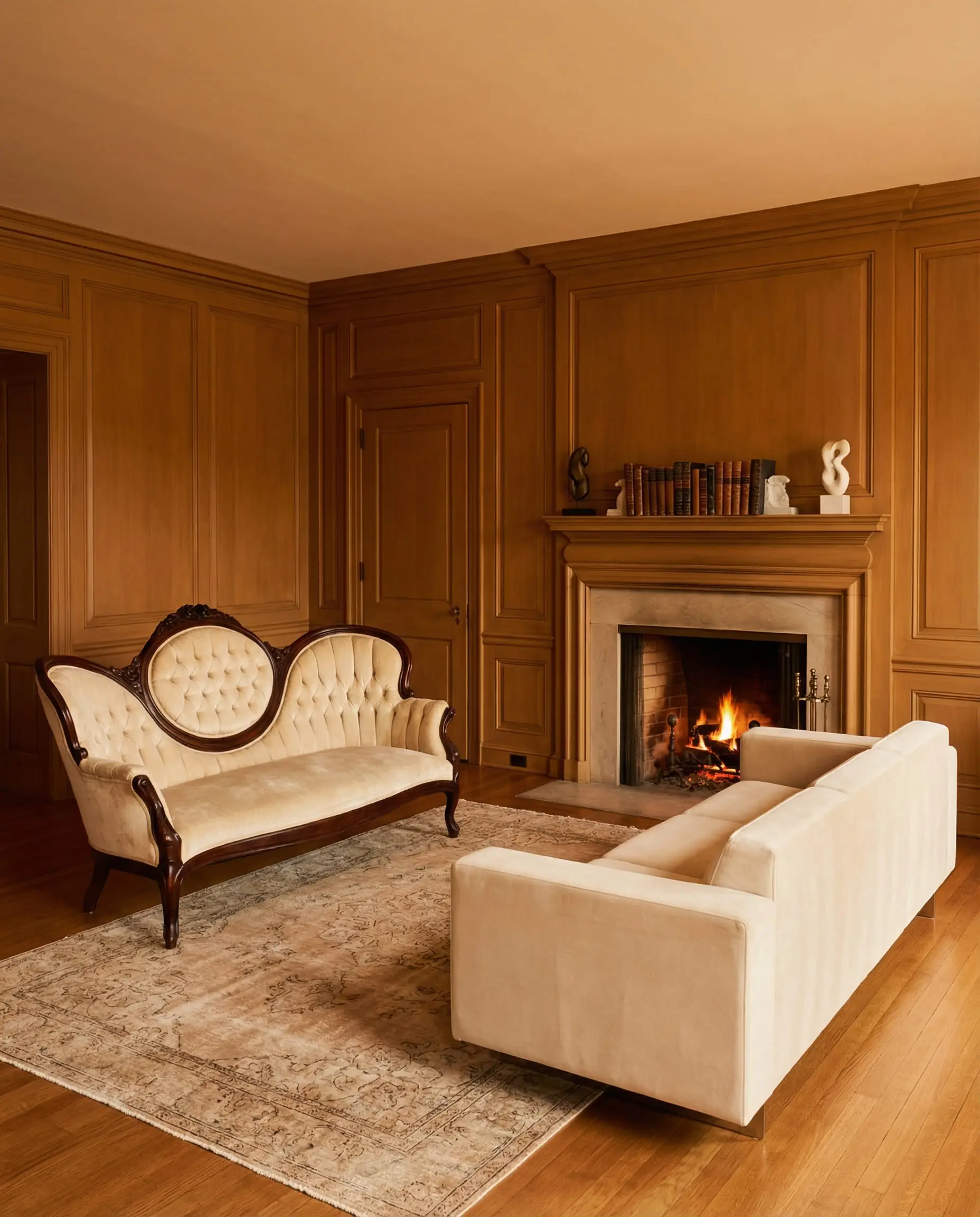
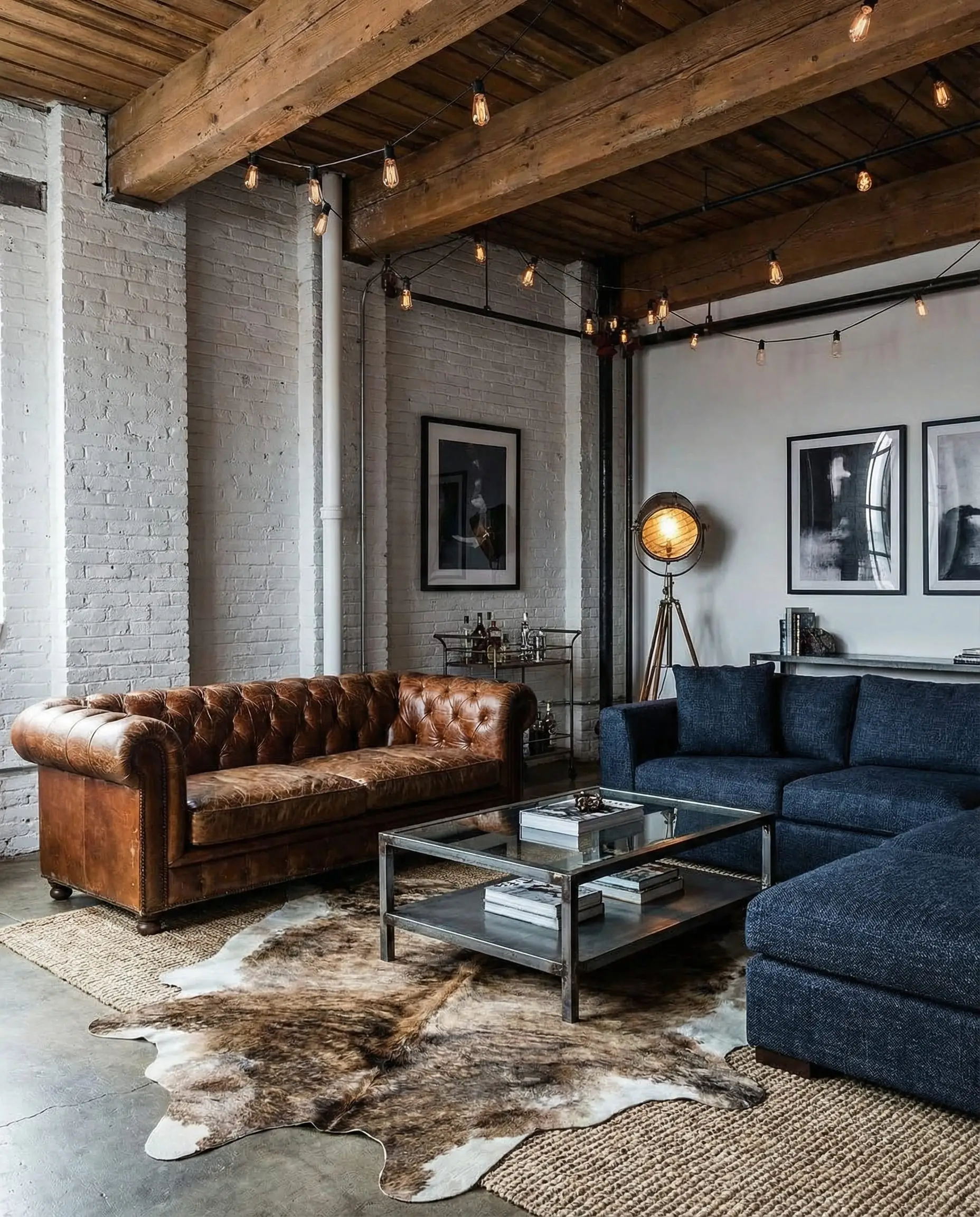
Strategy C: The Material Mix
Leather and fabric are best friends. A worn cognac leather sofa looks incredible paired with a navy velvet or charcoal tweed sofa. The leather adds warmth and masculinity, while the fabric adds softness.
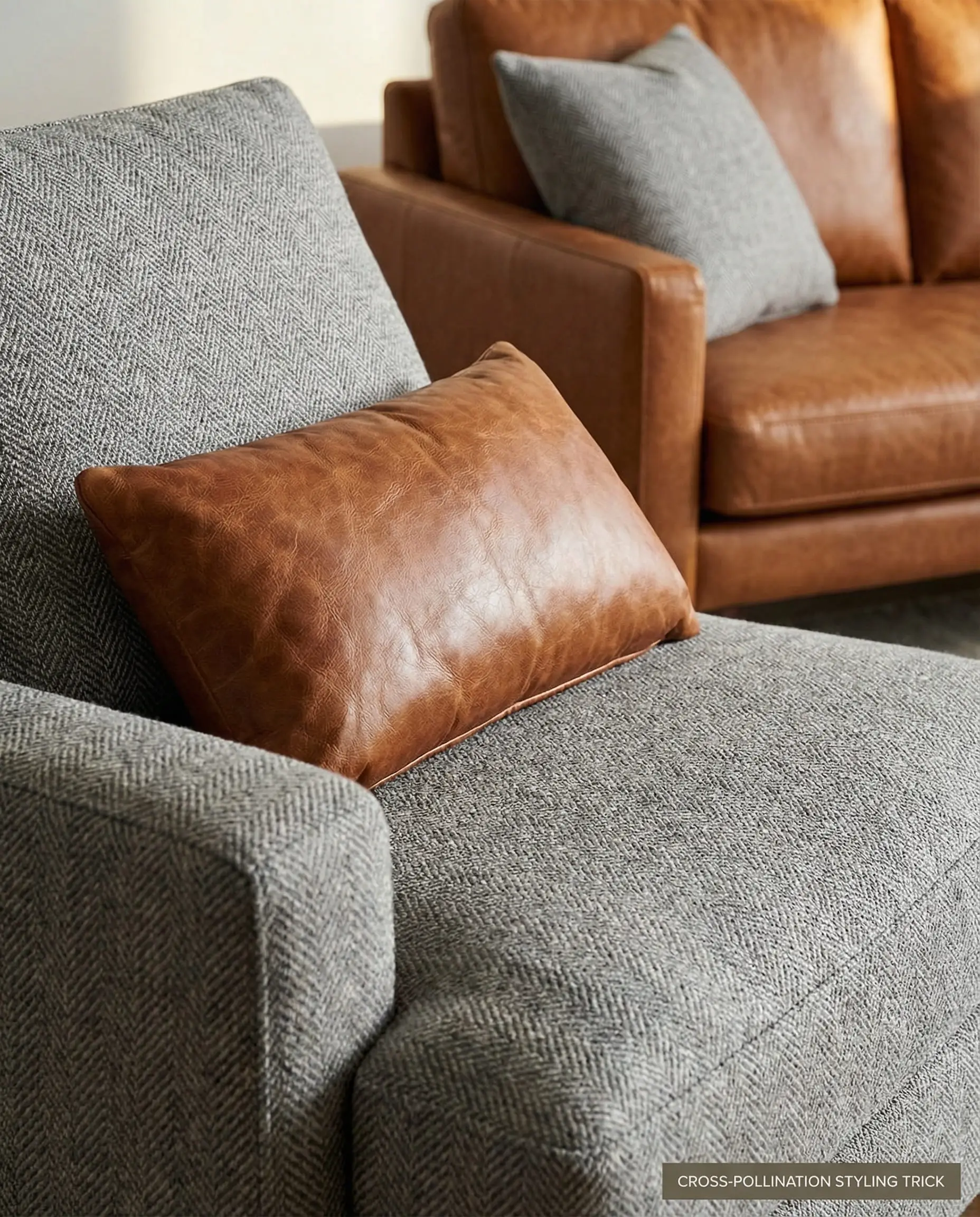
If you mix sofas, use throw pillows to bridge the gap. Take a pillow made of the fabric from Sofa A and place it on Sofa B, and vice versa. This cross-pollination tricks the eye into seeing them as a set.
Hackrea Tip 💡
Small Living Room Solutions
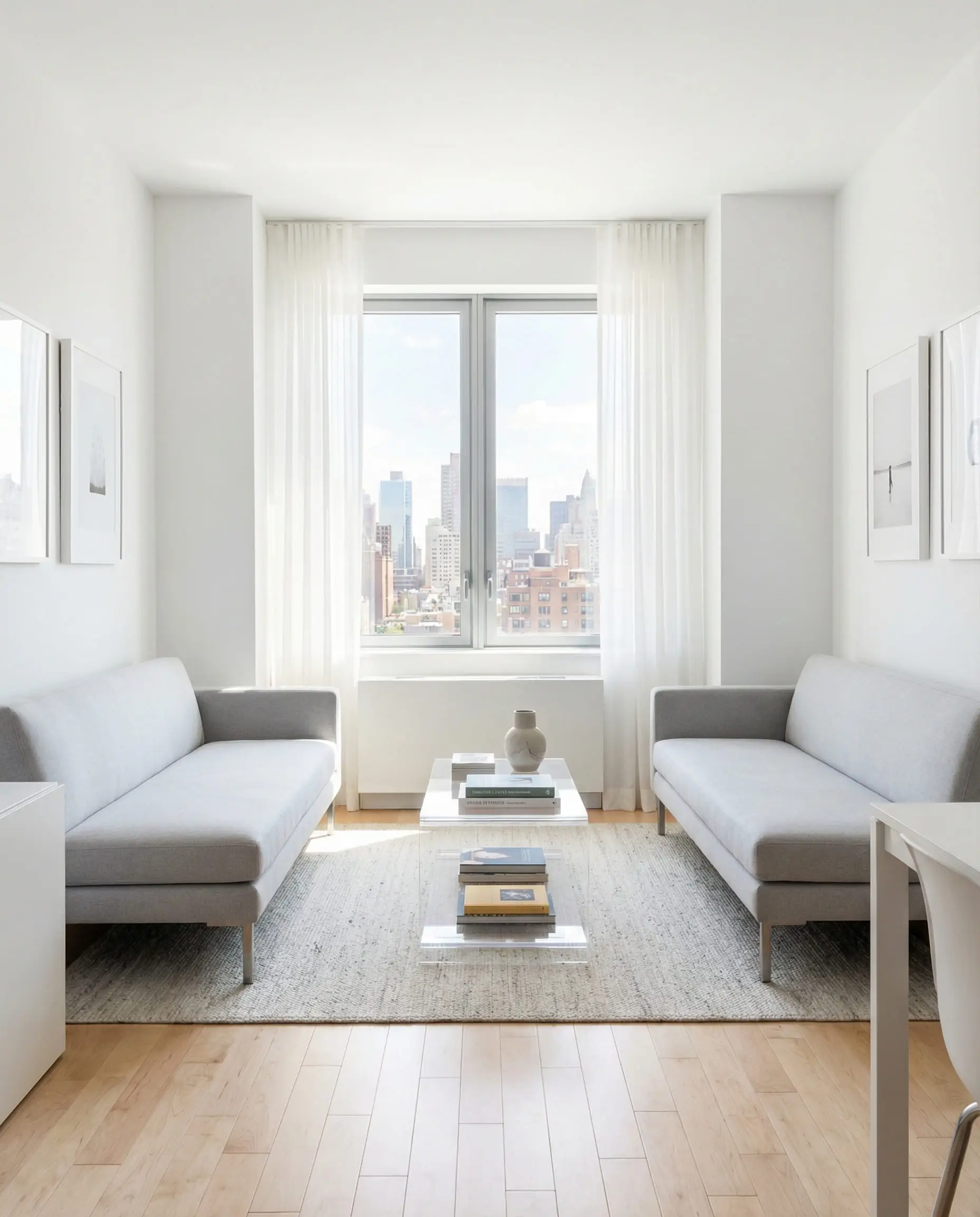
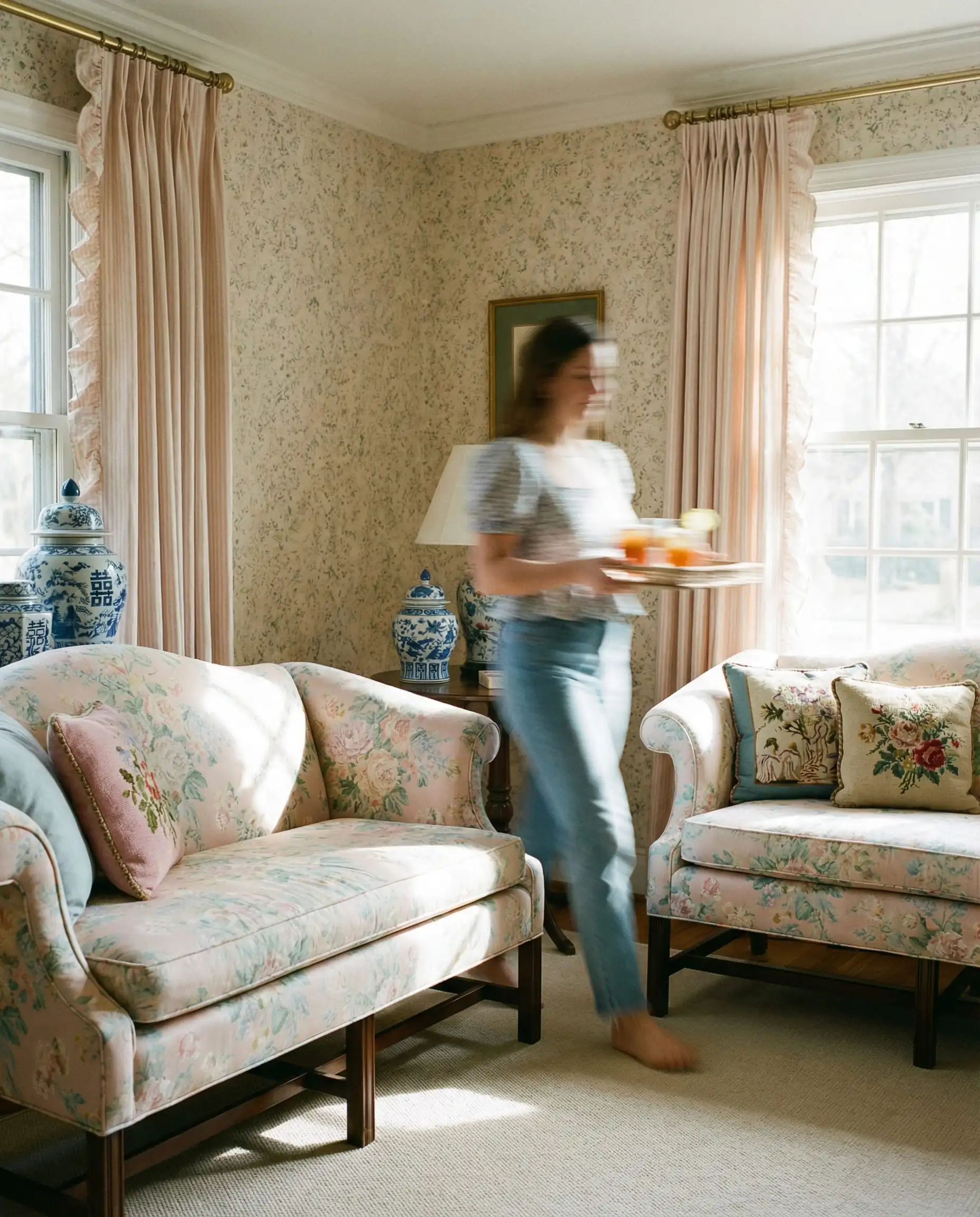
Searching for “two sofas in a small living room”? You aren’t alone. You can absolutely pull this off in a smaller footprint (e.g., a 12×12 room) if you follow these rules of scale.
1. The “Apartment Size” Sofa
Standard sofas are 84–90 inches long. For a small room, look for “apartment sofas” or “studio sofas” which typically measure 72–78 inches. Two of these offer more seating than one giant sectional but take up less visual weight.
2. Legs are Mandatory
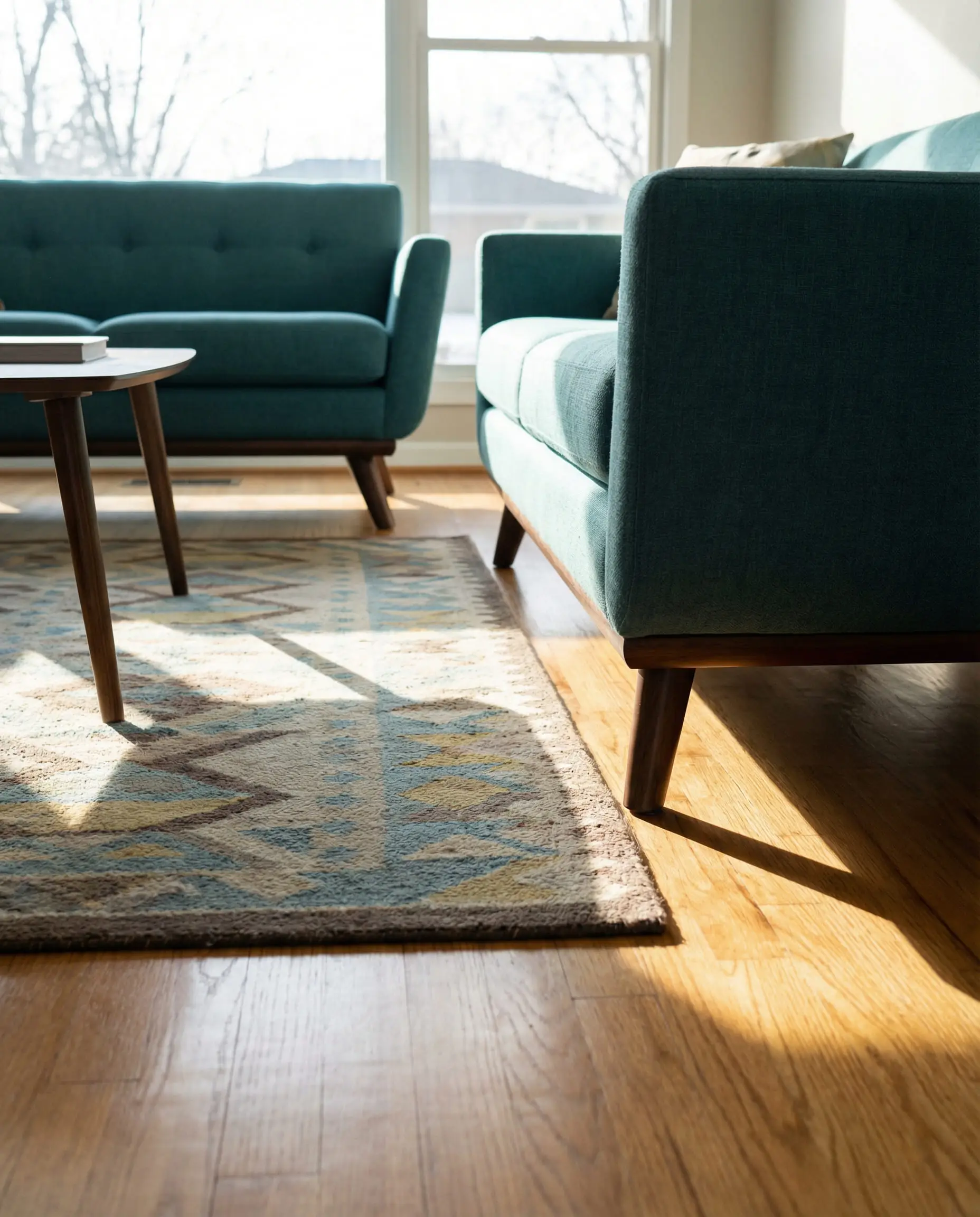
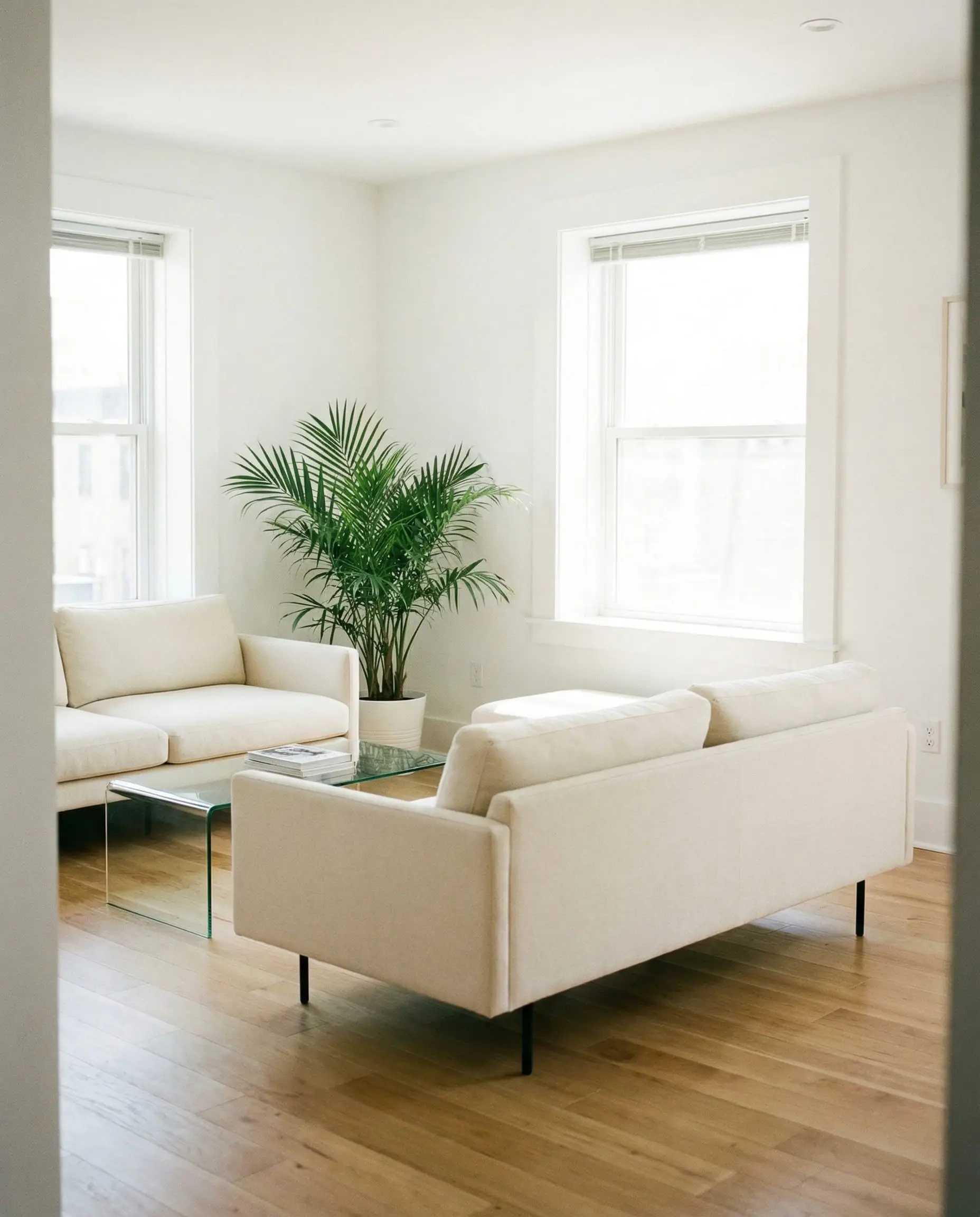
In a small space, never use two sofas with skirts (fabric reaching the floor). You need sofas with exposed legs. Seeing the floor underneath the furniture tricks the brain into thinking the room is larger and airier.
3. The “Pass-Through” Check
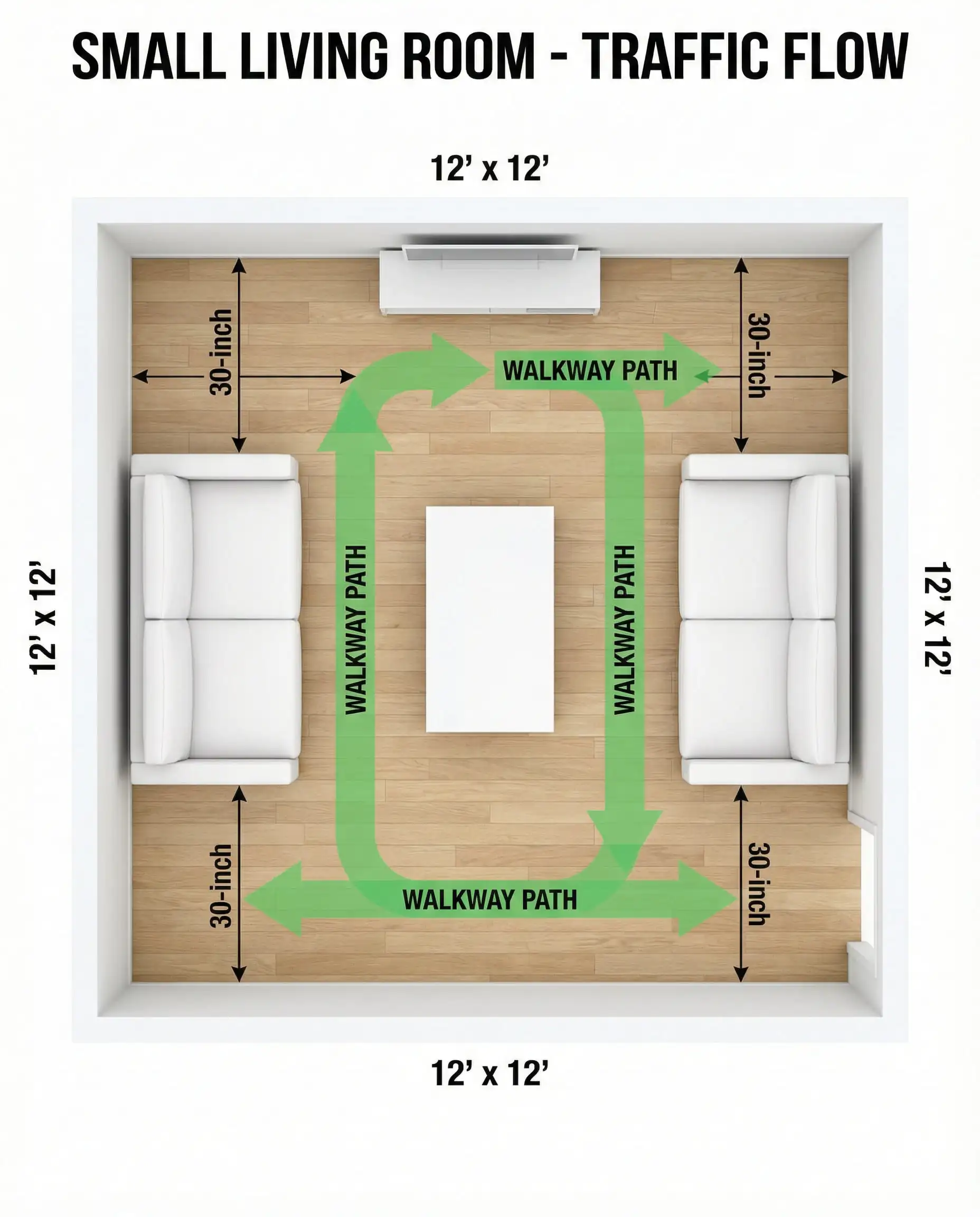
Before you buy, tape the outline of the sofas on your floor. Walk around them. If you have to turn sideways or shimmy to get past the coffee table, the layout failed. You need a minimum of 18 inches between the sofa and coffee table, and 30 inches for main traffic paths.
For more inspiration on maximizing tight quarters, explore our dedicated article on Small Living Room Ideas.
Styling the Space: Lighting, Rugs, and Tables
Once your sofas are in place, the accessories make or break the look.
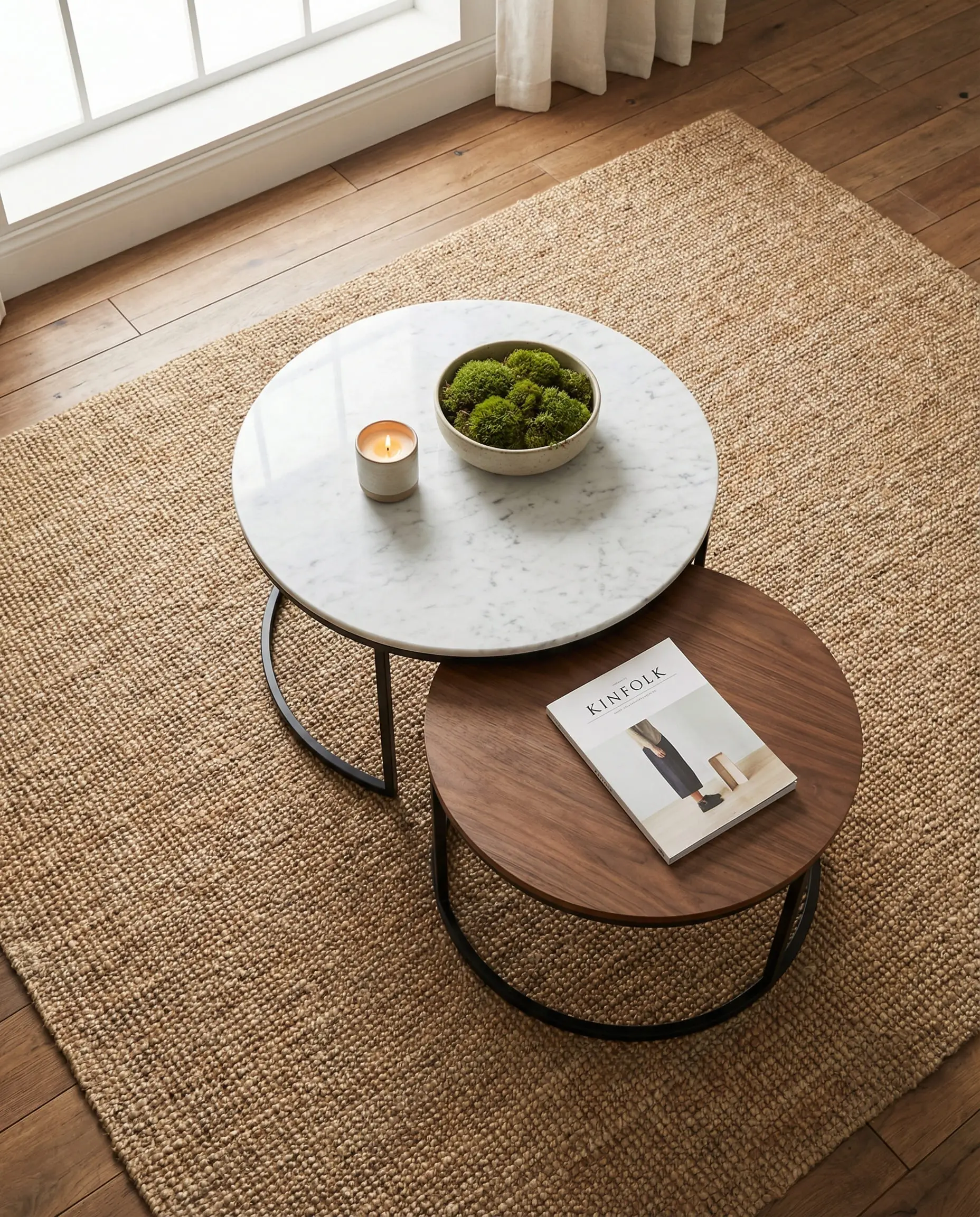
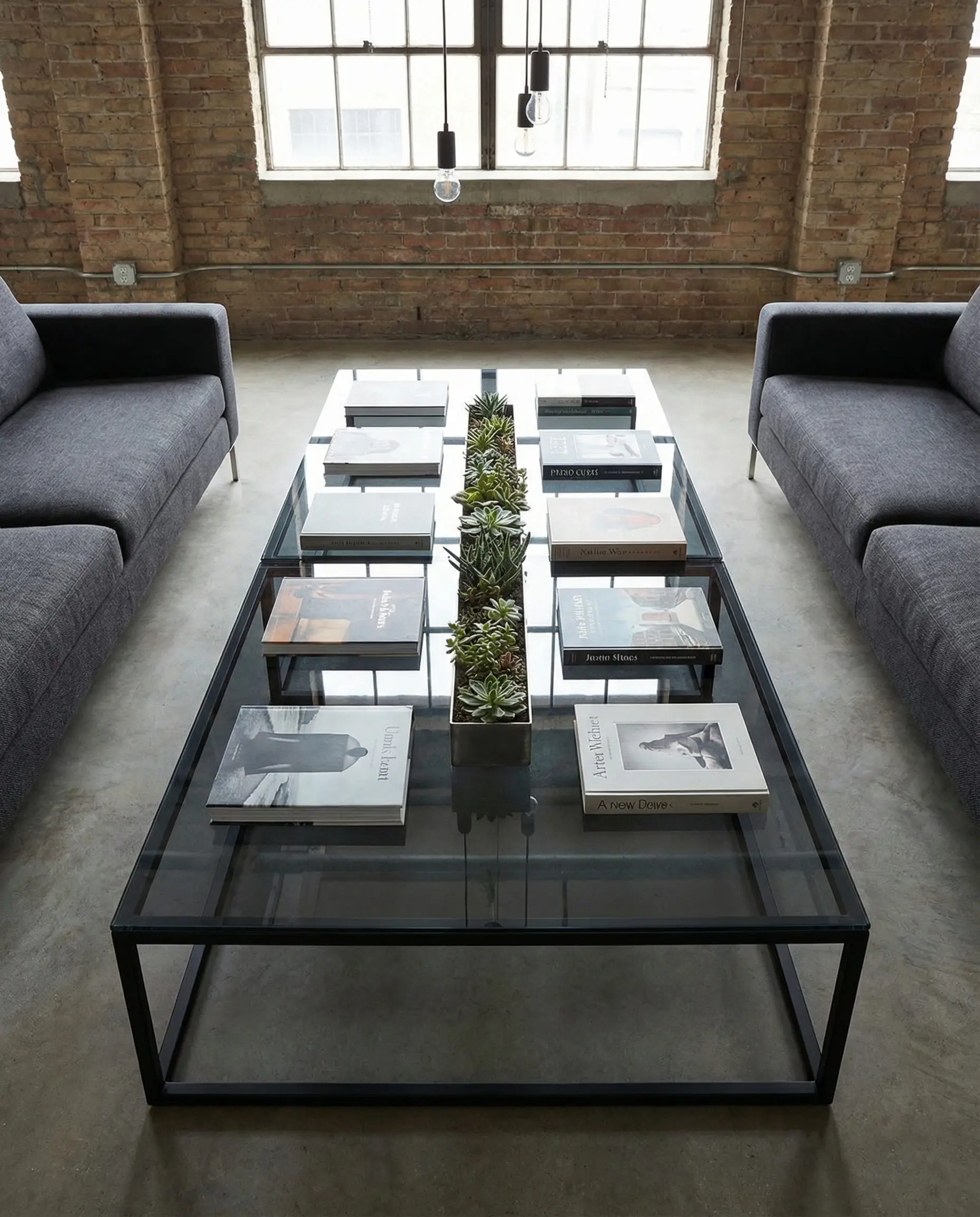
The Coffee Table Dilemma
With two sofas, the coffee table becomes the hub.
Rug Sizing is Critical
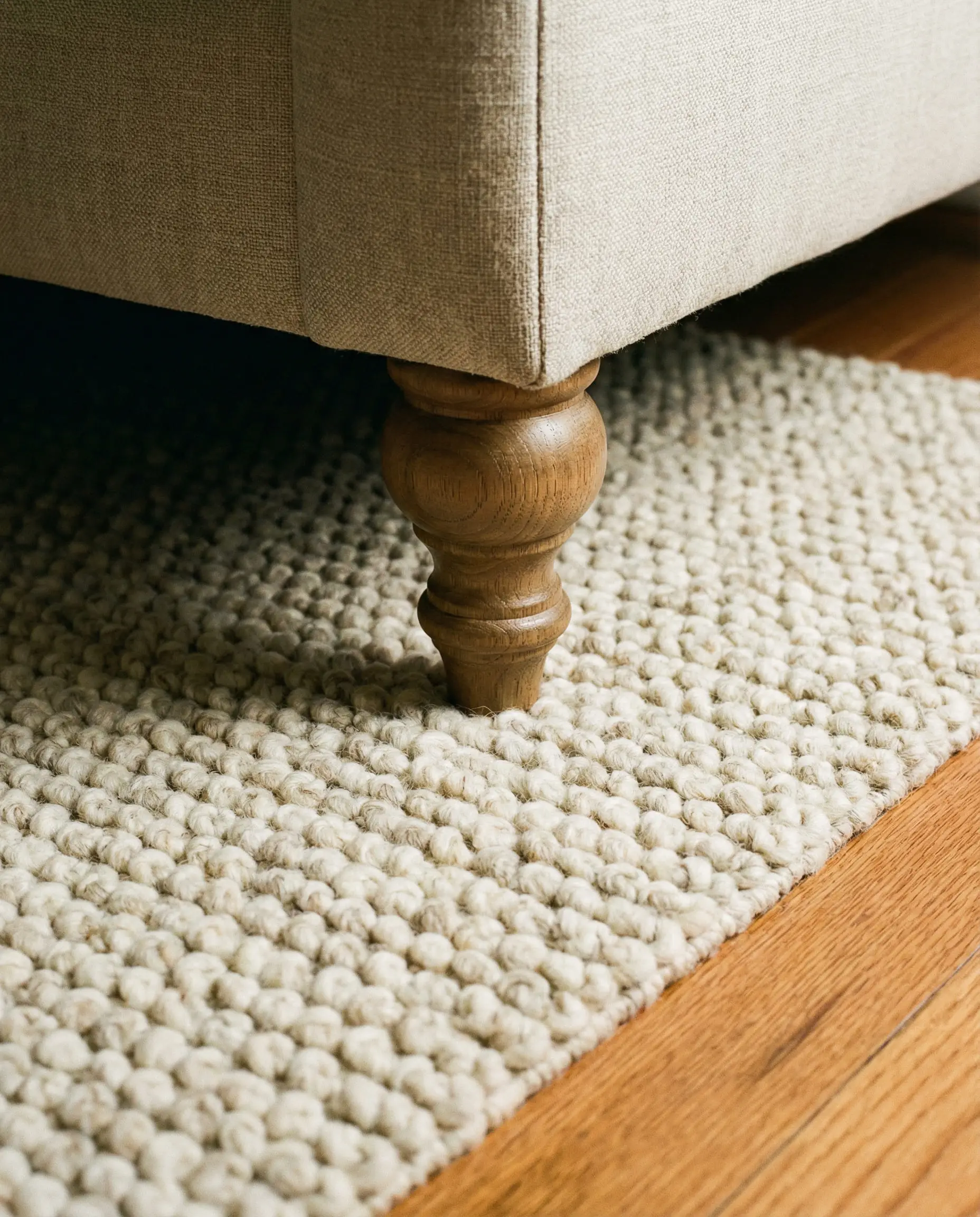
The biggest mistake people make with two sofas is buying a rug that is too small.
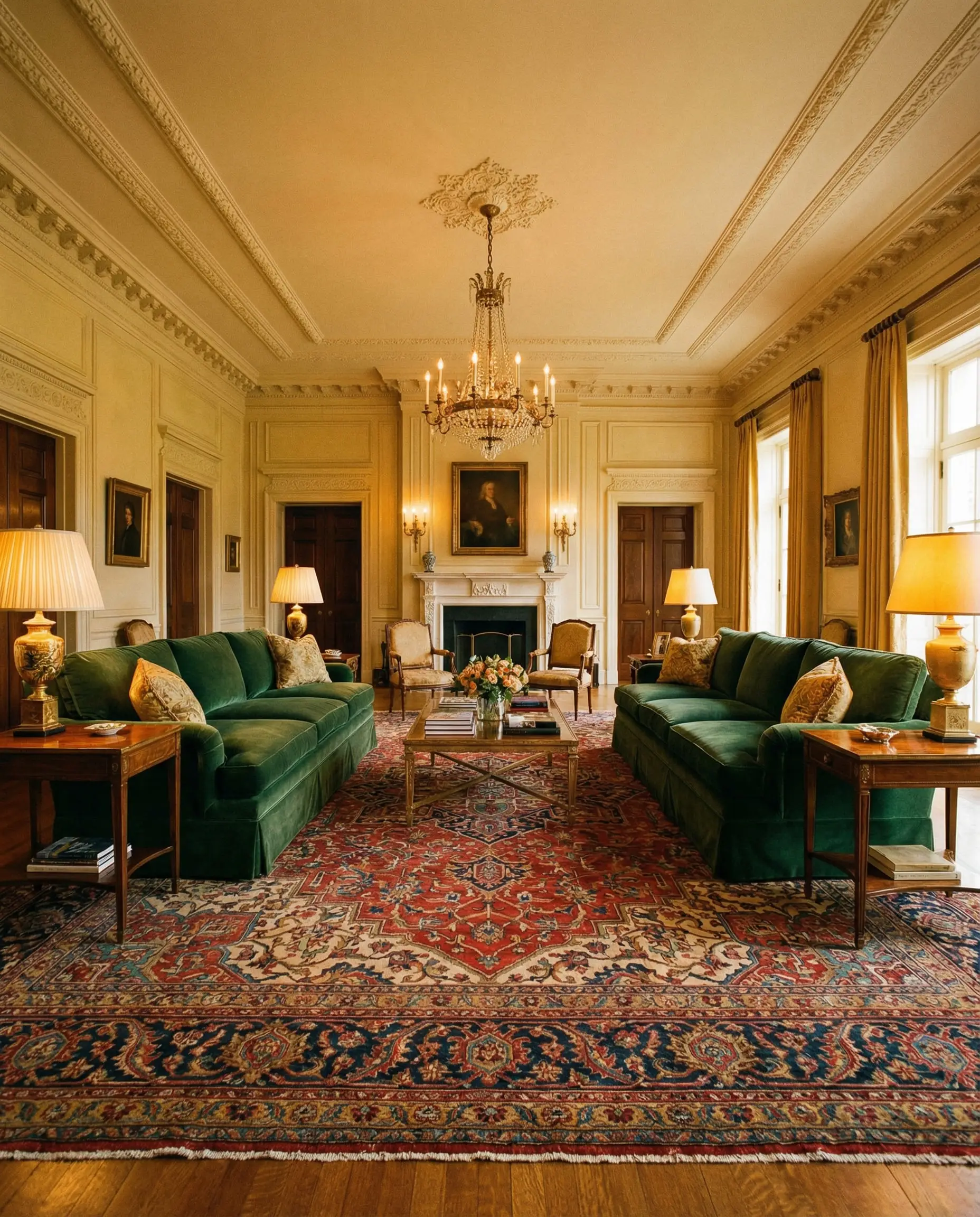
Check our guide on Living Room Rug Placement for detailed diagrams on how to position your rug perfectly.
Lighting the Conversation
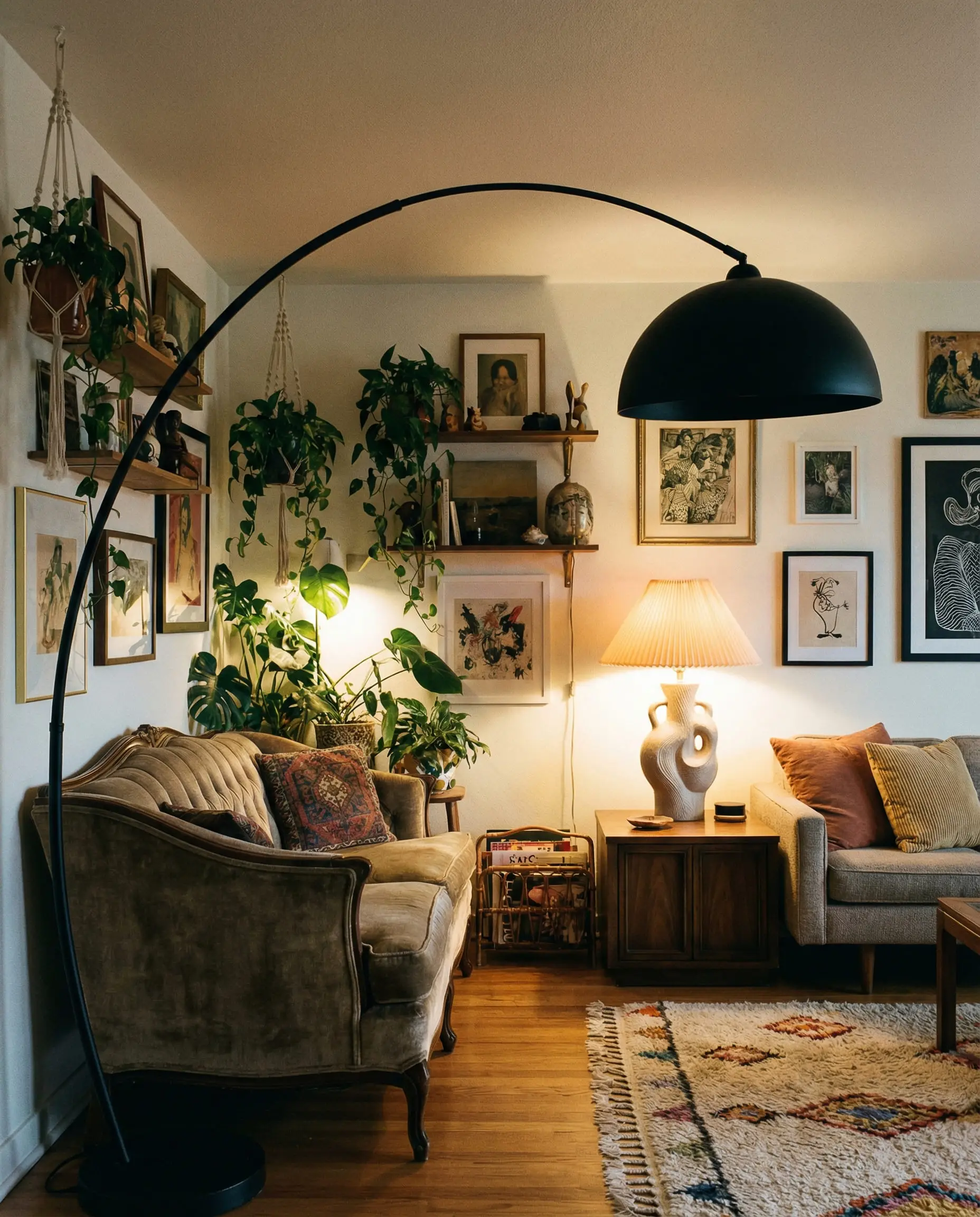
If you have two facing sofas, you need balanced lighting.

FAQ: Common Questions About Dual Sofa Layouts
A: Absolutely. This is called “mismatched” styling. To make it work, ensure the seat heights of both sofas are similar (within 1-2 inches) so no one is looking down on the other person. Keep a common element, such as similar throw pillows or a shared color palette, to unify the look.
A: ideally, the room should be at least 12 feet wide. The sofas should be 6 to 8 feet apart to allow for conversation and a coffee table in the center. If they are further apart, the space feels disconnected; closer, and it feels cramped.
A: Two sofas offer more flexibility and style versatility. They are better for formal entertaining and conversation. Sectionals are generally better for lounging, napping, and casual TV watching. If you move frequently, two sofas are a safer investment as they fit into more room shapes.
A: In an L-shape layout, the square corner gap is perfect for a square side table (typically 24×24 inches) with a table lamp. Alternatively, you can place a large potted plant to add greenery and height, or a floor lamp if space is tight.

Final Thoughts
Updating your living room with two sofas is a sophisticated move that brings both functionality and high-end style to your home. Whether you opt for the classic symmetry of the Parallel layout or the cozy corner of the L-Shape, remember that measurements matter more than aesthetics.
Ready to start shopping? Before you buy, make sure to check out the 2026 Sofa Trends to see which colors, fabrics, and shapes are dominating the market this year.
Hackrea is your go-to source for modern design intelligence. From DIY hacks to luxury trends, we help you build a home that feels like you.